Jump to content
Contact

Cloud Data Lake Consulting

Your raw data gets one safe home, your storage bill stays under control and your team can find what it needs. You start with a free first call and strategy workshop.

Schedule a Free Consultation
  • Savings shown up front
  • No pressure
  • Fast reply
Rated by teams in 7 sectors
A calm lake fed by three streams behind a small gate shows data from many sources collected into one cloud data lake.
  • Full-service, end-to-end cloud consulting
  • 250+ workloads migrated
  • 120+ environments secured
  • $5M+ annual spend optimized
  • Rated by teams in 7 sectors
  • Complimentary consultation and strategy session
  • Dedicated account manager
  • Five-plus support languages

What Is Cloud Data Lake Consulting?

Cloud data lake consulting is a service that helps your business design, build and run a data lake in the cloud, so raw data from your systems is stored cheaply, kept safe and ready for reports, models and analysis. You start with the questions you need answered and the monthly cost you can carry, not with a platform.

How a Cloud Data Lake Works in Your Business

  1. Data lands as it isYour apps, databases, logs and files send data to the lake on a schedule or as it happens, with the original copy kept.
  2. It is organizedFiles are compressed, partitioned and registered in a catalog, so each dataset has a name, an owner and a place.
  3. It is cleaned and curatedDuplicates and errors are fixed in a second zone, and business-ready tables are built for the questions you ask.
  4. Your team and tools use itAnalysts, your warehouse and models read from the lake, with access limited by role.
  5. Done tick iconYou keep more data for lessHistory stays available, reports use trusted tables and storage cost is tracked every month.

What Cloud Data Lake Consultants Actually Do

A good engagement covers the whole path from first question to a running, affordable lake, so you never end up with a bucket of files nobody can use.

  • Lake design, zones and cloud choice
  • Ingestion and streaming pipelines
  • Open table formats and catalog setup
  • Migration of data from older systems
  • Security, access and cost controls
  • Monitoring, tuning and team training

The Hidden Costs of a Data Lake That Is Not Working for You

Files nobody can find, bills nobody can explain and data nobody trusts are common, yet most companies accept them as part of the job, when they do not have to be.

  • Hourglass icon1.

    Data Nobody Can Find

    Datasets pile up with no catalog or owner, so analysts spend days hunting for the right files.

    Real costSlow Analysis

    Weeks lost before the first answer

  • Warning icon2.

    Tiny Files and Slow Queries

    Thousands of small files and poor partitioning make every query slow and expensive, which frustrates the people who use the lake.

    Real costLost Trust

    Teams go back to private copies

  • Coin icon3.

    A Bill That Keeps Growing

    Old data sits in the priciest storage class and scans run with no limits, while nobody sees who spends what.

    Real costWasted Spend

    Money paid for data nobody reads

  • Shield icon4.

    Sensitive Data Without Guardrails

    Customer and payment files sit in buckets that too many people can open, with no clear audit trail.

    Real costSecurity Risk

    Exposure that shows up in an audit

Cloud Data Lake Consulting Built Around Your Questions

Lakes that disappoint usually started with storage. Yours starts with a list of the questions your business needs answered, the data behind them and the monthly cost you are willing to carry.

From there you get a design that fits the systems you already use, with clear ownership of every dataset, clear rules on who can see what and a way to measure both usage and spend.

How We Work With You

  • A lake design based on your real data
  • An owner and a catalog entry for every dataset
  • Cost controls and budgets from the first day
  • Monthly reporting on usage and spend

Why a Well-Built Cloud Data Lake Pays Off

A lake is only valuable when people trust it and use it. Build it around a few high-value datasets first, prove the value and then add sources and teams from there.

Choose This If You Want To

  • Coin iconKeep years of history at a fraction of database prices
  • Target iconFind any dataset through a catalog with a named owner
  • Lightning bolt iconQuery large files in seconds with the right formats
  • Shield iconRestrict sensitive data by role and keep an audit trail
  • Plug and socket iconFeed your warehouse, BI tools and models from one source
  • Upward trend iconAdd new sources and teams without a redesign

Your Cloud Data Lake Consulting Process, Step by Step

  1. Step 1

    Free Consultation

    You talk through the questions your business needs answered, the systems that hold the data and what storage and analytics cost today. Your consultant points out where a lake will help most and where it will not.

    You get a written summary and a cost range

    A short written version you can circulate before deciding.

  2. Step 2

    Lake Assessment

    Your sources, data volumes, formats, security needs and spend are reviewed. Cloud and table format options are compared on your real data, including a realistic monthly cost.

    You get a recommended design and a fixed quote

    Clear priorities, a timeline and one fixed price for your first release.

  3. Step 3

    Build and Migrate

    Storage, pipelines, zones and the catalog are built in small releases. Existing data is moved in waves and checked against the source before anyone switches over.

    You get a working lake, ready to use

    Connected to your sources and tools, with documentation and training for the people who own it.

  4. Ongoing

    Run and Improve

    Your account manager tracks usage and spend each month, compacts files, retires unused data and adds new sources as your needs grow.

    You get monthly reports on usage and cost

    Storage, query spend per team and open improvements in one clear report, plus support whenever you need it.

What’s Included With Cloud Data Lake Consulting

Choose a single service or get the full program, from assessment to ongoing support.

  • A Lake Design Matched to Your Data

    Cloud, zones and formats chosen for your volumes, your tools and a realistic monthly cost.

  • Pipelines From Every Important Source

    Batch and streaming jobs that run on schedule and alert you when something breaks.

  • Open Table Formats and a Catalog

    Reliable tables and a searchable catalog where every dataset has an owner.

  • A Safe Move of Your Existing Data

    Data copied in waves and checked against the source, with a rollback path.

  • Security and Cost Guardrails

    Encryption, role-based access, retention rules, budgets and storage class policies.

  • Training and Monthly Reporting

    Short sessions and written guides, plus a monthly view of usage and spend.

Readiness and Security Assessments100+
Annual Spend Optimized$5M+
Three connected tanks that go from murky to clear show data moving through raw, curated and ready zones in a data lake.
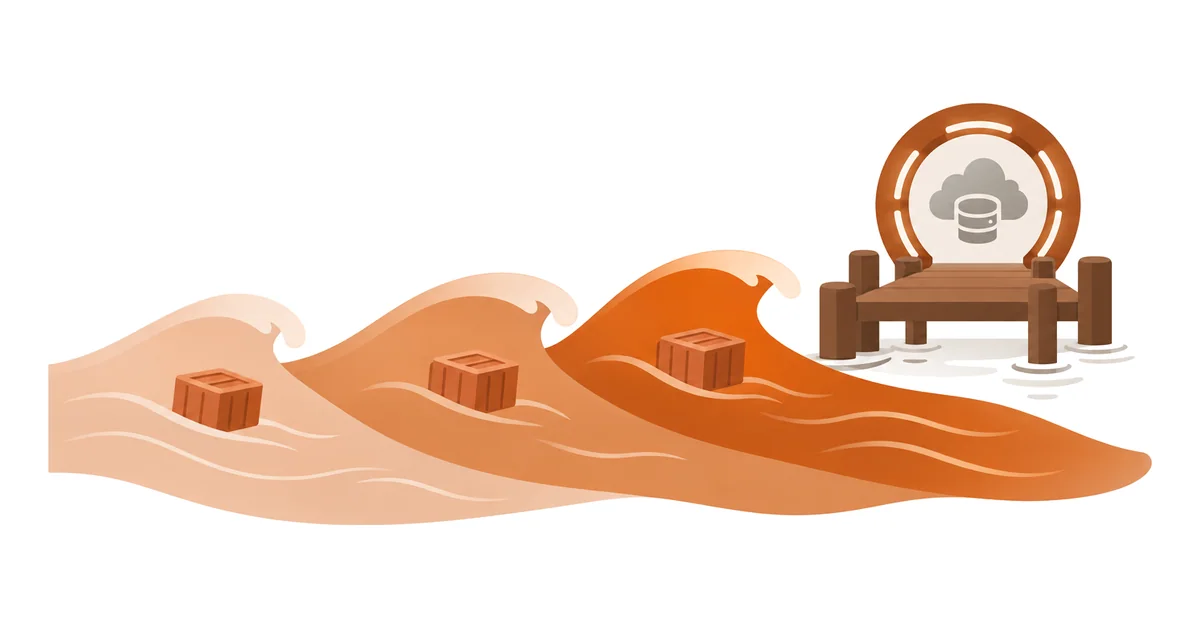
Three waves carrying crates toward a checkpoint gate show data lake migration in validated waves.

Cloud Consulting Results From Real Clients

31% Lower Cloud Bill

“Our monthly cloud bill had doubled in a year and nobody could explain it. Cloud Hull tagged every resource, rightsized the idle instances and moved steady workloads to committed pricing. The bill dropped by 31% in ten weeks, and finance now sees spend per product.”

PN
Priya NairVP Engineering, Payments Startup

86 Workloads Moved, Zero Downtime

“We had a data center lease ending in six months. Cloud Hull sorted our workloads into waves, ran test cutovers and moved 86 of them on schedule. Customers saw no outage, and the lease was not renewed.”

DO
Daniel OrtizCTO, Regional Lending Platform

42 Security Gaps Closed Before the Audit

“A partner asked for proof of our cloud controls and we had none. Cloud Hull ran a security assessment, ranked 42 findings by risk and fixed the critical ones first. The partner review passed, and access is now reviewed every quarter.”

VL
Victor LangSecurity Lead, Insurance Technology Company

Your Data Before and After a Cloud Data Lake

Where the time and money go today, and what you get back.

Before the Lake

  • Old data deleted or kept in costly storage
  • Files scattered across buckets and shares
  • Slow queries on thousands of tiny files
  • A bill that nobody can break down
  • Sensitive files open to too many people

After the Lake

  • Years of history kept at low cost
  • One catalog with an owner for every dataset
  • Fast queries on well-organized tables
  • Spend tracked per team with budgets and alerts
  • Access limited by role with an audit trail

Benefits of Cloud Data Lake Consulting for Your Business

Why outside help pays off when you build or fix a data lake.

Coin iconYou Store More for Less

Object storage costs a fraction of database storage, and the right formats keep queries cheap. Your team keeps the history that models and audits need without paying premium prices for it.

Target iconYou Find and Trust Your Data

A catalog, owners and clear zones mean people know which dataset is current and who to ask. Time spent hunting for files goes back to analysis.

Upward trend iconYou Get Ready for Analytics and Models

Raw history, versioned tables and clean zones give your warehouse, dashboards and machine learning projects a shared foundation, so each new project starts faster.

Shield iconYou Protect Sensitive Data

Encryption, role-based access, separate sensitive zones and audit logs keep customer and payment data safe, and make security reviews easier to pass.

Cloud Data Lake Consulting Scope and Pricing

Every project gets a fixed quote after a free assessment. Here is how the scope usually breaks down.

Project typeWhat it includesHow you pay
Assessment and lake designSource review, volume analysis, cloud and format comparison, cost modelFixed quote
New lake buildTypical first projectStorage zones, pipelines, catalog, security, trainingFixed quote after assessment
Migration from databases or older storageInventory, wave plan, validation, cutoverFixed quote after inventory
Cost and performance tuningFile compaction, partitioning, storage classes, budgets and alertsFixed quote
Ongoing supportMonthly monitoring, fixes, improvements, reportingMonthly plan

What to Expect Before Your Data Lake Project Starts

  • Hidden fees

    Prices Agreed Up Front

    The assessment ends with a fixed quote and no extra charges later.

  • Platform pitches

    A Candid Fit Check

    If a lake is not the right answer for your data, you hear it on the first call, along with what to do instead.

  • Status reports that say little

    Plain Answers at Every Step

    You get short weekly updates on what is done, what is blocked and what is needed from you.

  • Long waits

    Written Next Steps After the Call

    You leave the call with a summary of priorities, timing and likely cost that your colleagues can review.

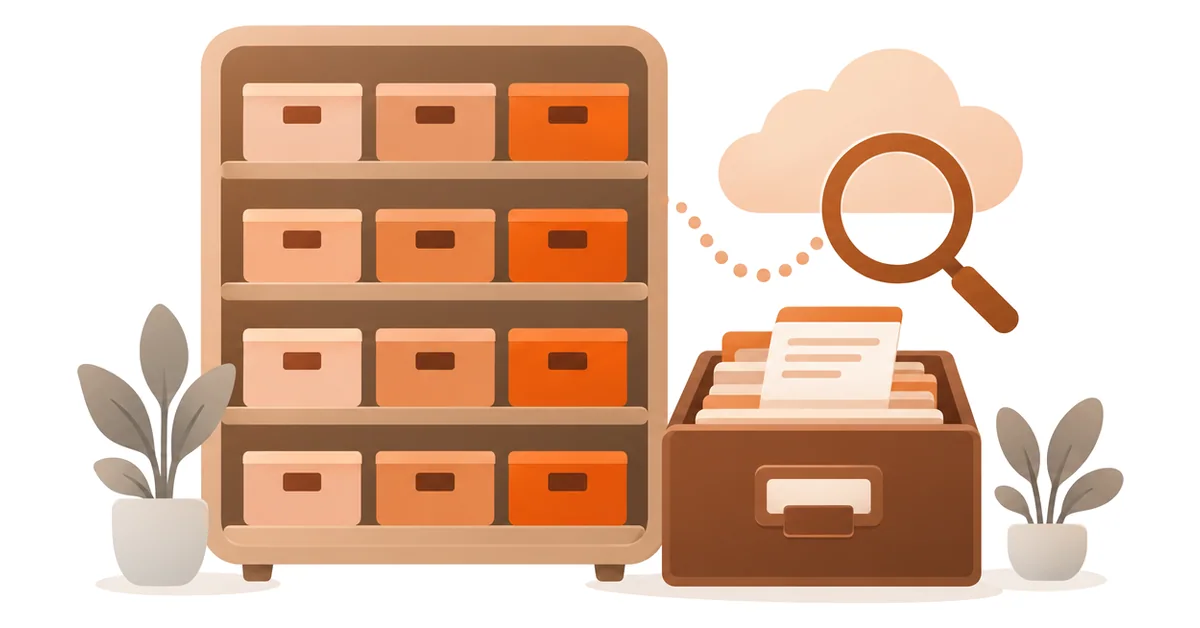
Neatly tagged shelves next to a card index drawer show a data catalog that keeps the lake from becoming a swamp.

Zones and a Catalog That Keep the Lake From Becoming a Swamp

A lake without structure fills up fast and empties slowly. Data lands in a raw zone, moves to a cleaned zone and ends in a ready zone, and every dataset has a name, an owner and a purpose.

Retention rules remove what nobody needs, and a quarterly review keeps the catalog honest as your business changes.

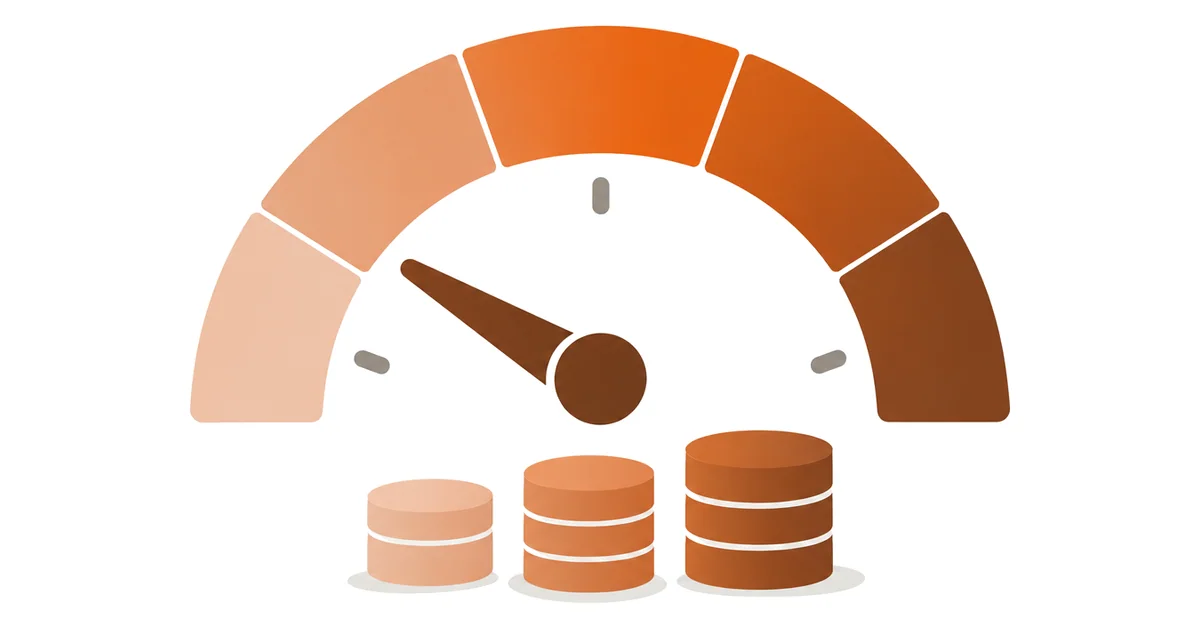
A gauge with its needle in the low zone above three storage drums shows lake storage and query costs kept predictable.

Cost Controls That Keep Storage and Queries Predictable

Storage is cheap, and the bill grows from scans, streaming jobs and tiny files. Data is compacted, partitioned and moved to cheaper storage classes as it ages, and every team sees its own spend.

Budgets and alerts warn you before a runaway query becomes a surprise invoice, and a monthly review keeps the savings in place.

Cloud Data Lake Consulting for Your Industry

Where a cloud data lake pays back first in your sector.

Fintech and Financial Services

Keep transaction history, logs and model training data in one governed place with full audit trails. For curated reporting on top, see cloud data warehouse consulting.

Ecommerce and Retail

Store clickstream, orders and customer data to see behavior across channels. Moving from an older reporting database? Read about cloud migration consulting.

SaaS and Software

Keep product events and usage data cheaply for years to study churn and expansion. Feeding the lake from many tools is covered under cloud integration consulting.

Healthcare and Logistics

Organize device, shipment and document data with strict access rules and clear lineage. To keep storage and query bills in check, see cloud cost optimization consulting.

How to Choose the Right Cloud Data Lake Consulting Partner

The right partner makes the difference between a lake people rely on and a bucket of files that sits unused. Before you sign, check that your cloud data lake consulting partner can show you each of these:

  • A design based on your own data volumes and costs
  • Hands-on experience with the cloud and tools you already use
  • Zones, a catalog and owners designed in from day one
  • Security and cost guardrails with monthly reporting
  • A fixed build price agreed before we start

Also ask who owns the lake after launch. You should receive full documentation and training, so the capability stays inside your business.

What You Can Count On From Your Cloud Partner

  • Fixed price icon

    One Agreed Price

    See the full price before any build begins.

  • Coin icon

    Expert Work at a Sensible Price

    Full-service, end-to-end consulting at a price that fits a first project.

  • Account manager icon

    Personal Account Lead

    One contact who knows your project and answers your questions fast.

  • Shield icon

    Data Protection Built In

    Least-privilege access, documented data flows and NDAs on request.

Cloud Data Lake Consulting FAQs

What Is the Difference Between a Data Lake and a Data Warehouse?

A warehouse stores cleaned, structured tables for reporting. A lake stores data in its original form, including files, logs, events and documents, at a lower cost per gigabyte. Many companies use both: the lake holds the raw history and the warehouse serves curated reports. Your assessment shows which parts of your data belong where.

Do We Need a Data Lake, or Is a Warehouse Enough?

If your data is small and tidy, a warehouse is simpler and cheaper to run. A lake helps when you have large or varied data, need raw history for replays and models, or want to keep old data at a low cost. Your consultant tells you honestly if a lake would be more than you need.

Which Cloud Should We Build Our Data Lake On?

It depends on where your systems already run and what your team knows. Amazon S3, Azure Data Lake Storage and Google Cloud Storage all work well. Your assessment compares them against your data volumes, tools and a realistic monthly cost, so the choice rests on your numbers.

How Do You Stop a Data Lake from Turning into a Swamp?

Every dataset gets an owner, a catalog entry and a zone: raw, cleaned or ready to use. Retention rules remove what nobody needs, and monthly reports show storage and query cost per team. These habits are built in from the first release, not added after the mess appears.

How Do You Keep Our Data Lake Costs Under Control?

Storage is cheap, and the bill grows from queries, streaming jobs and tiny files. Files are compacted, data is partitioned, old data moves to cheaper storage classes and each team gets a budget with alerts. A monthly report shows where the money goes.

Is a Data Lake Secure Enough for Customer and Payment Data?

It can be. Data is encrypted, access follows least-privilege roles, sensitive zones are separated and every access is logged. Your security team can review the design, and the same controls help you answer customer questionnaires. Confirm current privacy and compliance requirements with your own advisers.

How Long Does a Data Lake Project Take?

A first dataset, such as logs or events, can run within a few weeks. A governed lake with a catalog, several sources and training for your team usually takes a few months. You get a timeline with your assessment, before any build starts, and work ships in small releases.

Can You Move Our Existing Data to a Lake Without Downtime?

Yes. Data is copied in waves and checked against the source with row counts and sample queries. Your current reports keep running, and the old system stays in place until your team signs off on the new one.

Start Your Data Lake Project With a Free Plan

Get a free assessment call and a clear plan for your first release.

Schedule a Free Consultation

Get Your Free Discovery Call

Enter your name.
That email address looks incomplete.
Add a short subject.
Tell us in a sentence or two what you need.