86 Workloads Moved, Zero Downtime
“We had a data center lease ending in six months. Cloud Hull sorted our workloads into waves, ran test cutovers and moved 86 of them on schedule. Customers saw no outage, and the lease was not renewed.”
Strategy & Migration
Architecture & Infrastructure
DevOps & Cloud Native
Security & Cost Control
Data & Business Platforms
Your team stores, processes and delivers video, audio and images on the cloud with less waiting and a bill you can predict. You start with a free first call and strategy workshop.

Media cloud consulting is a service that helps your business move media workflows to the cloud and run them well. That covers storing large video and image libraries, transcoding and packaging files, live streaming, rendering and delivering content to viewers around the world. You start with your content and audience, not with a vendor.
Media workloads are different from ordinary business systems. Files are huge, traffic comes in sharp peaks and a single slow step can delay a release. Cloud services handle those peaks well, but only when storage tiers, processing jobs and delivery networks are set up for how your content is actually used.
In practice the engagement covers an assessment of your current workflow, a target design on AWS, Azure or Google Cloud, the build, training for your team and monthly reporting on cost per hour of video, publishing time and playback quality.
A good engagement covers the full path from raw footage to a viewer's screen, so you never end up with a lift and shift that costs more than the studio you left.
Full storage arrays, slow transfers and long render queues cost you time and money. Most media teams accept it as part of the business, when it does not have to be.
Large video files travel by drive, courier or slow upload, so editors and partners wait before they can start.
Hours lost before work begins
Every project leaves terabytes behind, and nobody dares to delete, so you buy more hardware every year.
Archives that cost more than they earn
A big release or live event brings traffic your setup cannot absorb, and viewers leave when playback stalls.
Buffering that ends sessions early
A fixed render farm is either idle or overloaded, so deadlines depend on who finishes first.
Machines that sit idle between rushes
Media cloud projects that stall usually start with a vendor demo. Yours starts with a clear picture of how files enter, change and leave your business, and where they wait.
From there you get storage, processing and delivery that fit your catalog and your audience, on the cloud you already use or the one that suits you best. Your team keeps control, and every service has an owner and a monthly cost you can see.
Media is spiky and heavy, which is where cloud pricing and scale help most. You pay for processing only while jobs run, and you reach viewers in many regions without building your own network. Start with one workflow, prove the saving and extend from there.
You talk through your content, your audience and what slows publishing today. Your consultant asks about formats, volumes and current tools, and tells you honestly what to fix first.
Your storage, processing and delivery are measured for cost, speed and risk. You see a scored picture and a ranked list of changes, with an estimate for each.
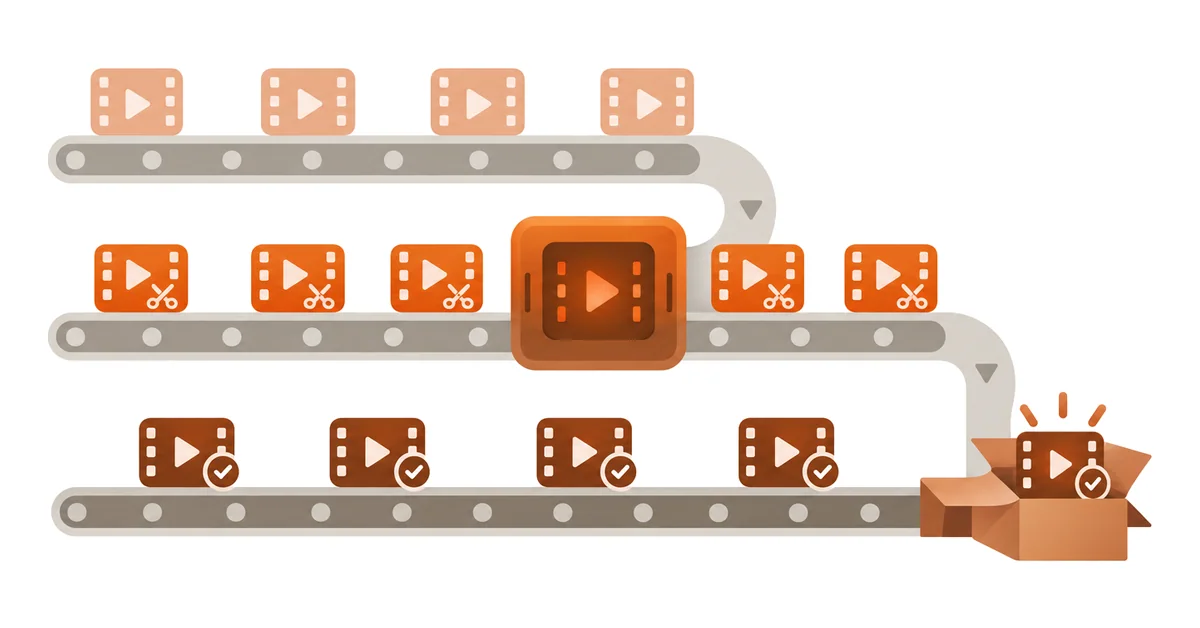
Pipelines, storage rules and delivery are built in small releases, starting with one channel or one show. Your team tests with real files before you rely on the setup.
Your account manager tracks cost and playback quality every month, tunes storage tiers and adds more workflows as your team gains confidence.
Choose a single piece or the full program, from assessment to ongoing support.
Your assessment measures publishing time, storage growth and delivery quality against clear targets.
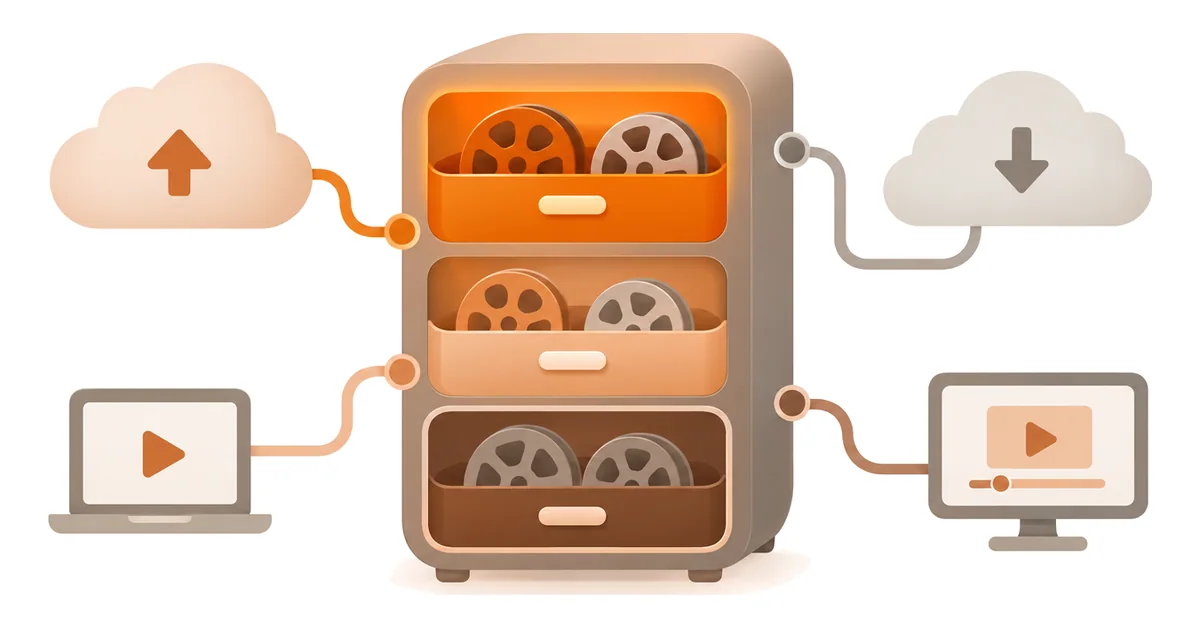
Tiered storage with lifecycle rules, so recent files stay fast and old footage costs little.
Automated jobs that prepare every file for the devices and formats your audience uses.
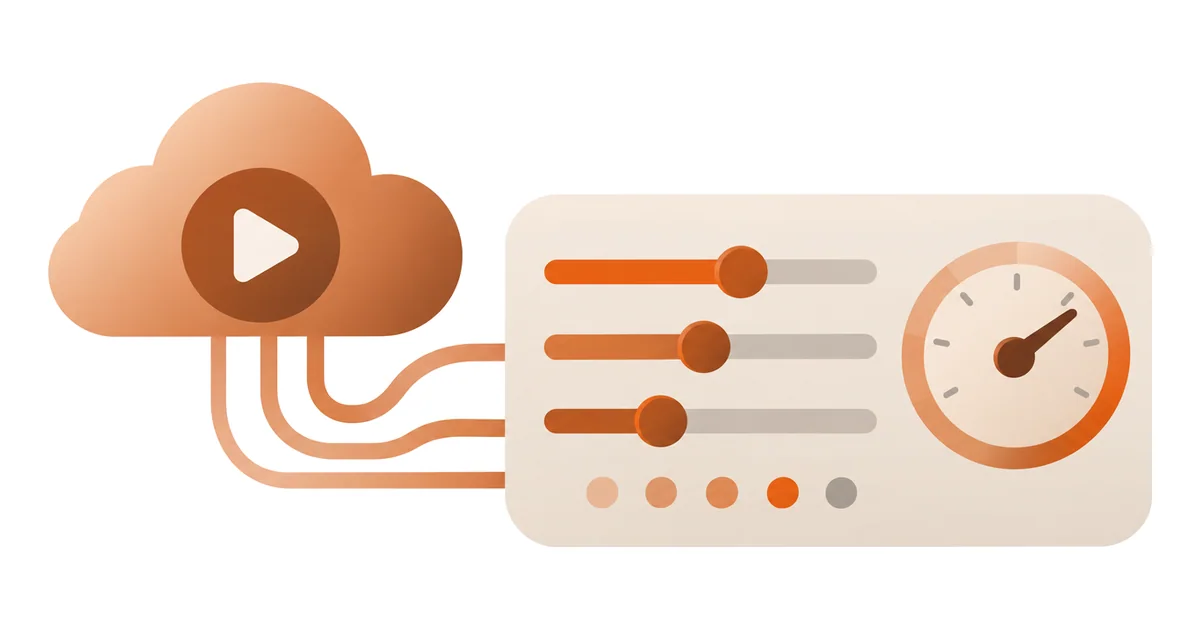
A delivery network and origin setup built for your peaks, with health checks and alerts.
Extra capacity on demand for renders and batch jobs, with budgets that stop surprises.
Short sessions and written runbooks so your team owns everything that was built.


“We had a data center lease ending in six months. Cloud Hull sorted our workloads into waves, ran test cutovers and moved 86 of them on schedule. Customers saw no outage, and the lease was not renewed.”
“A partner asked for proof of our cloud controls and we had none. Cloud Hull ran a security assessment, ranked 42 findings by risk and fixed the critical ones first. The partner review passed, and access is now reviewed every quarter.”
“On the discovery call they asked about our actual workloads instead of pitching a platform, and told us two systems should stay where they were. That honesty is why we hired them. The work since has been practical and well documented.”
How publishing changes, and what your team gets back.
Why outside help pays off when you move media to the cloud.
Parallel processing and fast transfers shorten the time between the last edit and the live release. Your audience sees content sooner, and your team stops waiting on machines.
Delivery networks, health checks and alerts catch problems before viewers do. Peaks from a launch or a live event stop being a gamble.
Lifecycle rules move rarely used files to cheaper tiers automatically. Your archive stays reachable without growing the bill every quarter.
Egress fees, idle machines and the wrong storage class are the usual causes of a shock bill. A consultant designs around them from the start.
Every project gets a fixed quote after a free discovery call and assessment. The table shows what each typical scope includes, so you can see where your project fits.
| Scope | What it includes | Typical duration | Best for |
|---|---|---|---|
| Media workflow assessment | Workflow review, scored findings, ranked roadmap | 2 to 3 weeks | Teams unsure where to start |
| Pipeline and storage buildTypical first project | Ingest, tiered storage, processing and delivery for one channel or show | 6 to 10 weeks | Teams with slow publishing or full arrays |
| Platform program | Shared media platform, cost controls and training across teams | 3 to 6 months | Studios and broadcasters moving several workflows |
The assessment ends with a fixed quote and no extra charges later.
If your volumes do not justify a custom pipeline, you hear it on the first call, along with a simpler option.
You get short weekly updates on what is done, what is blocked and what is needed from you.
You leave the call with a summary of priorities, timing and likely cost that your colleagues can review.

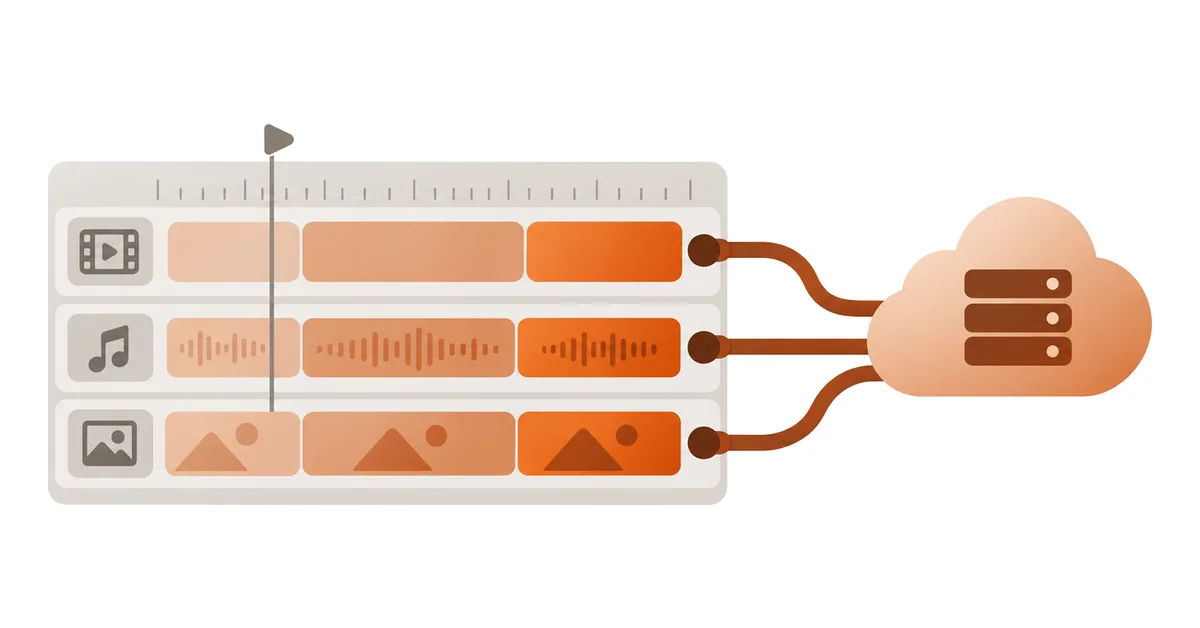
No rip-and-replace projects. Your editing suites, asset managers and review tools get connected to cloud storage, so your team keeps working the way it knows while the file moving disappears.
New tools are only recommended when they clearly pay for themselves, which keeps cost low and adoption high.

Fast delivery needs a safety net. Every setup includes health checks, alerts and a tested fallback, so a failing origin or encoder is found and switched before viewers notice.
You decide the thresholds, the on-call rota and who approves changes to the live path.
What pays back first in your sector.
Build on-demand and live delivery that holds up on launch night. Keep the foundation sound with cloud architecture consulting.
Move rendering, review and file sharing to burst capacity, and pair it with cloud DevOps consulting for automated pipelines.
Serve images and video fast to readers worldwide while you keep storage cost under control with cloud cost optimization consulting.
Host lectures, training and town halls securely, with access rules reviewed through cloud security consulting.
The right partner leaves your team faster and independent, not tied to one vendor. Before you sign, check that your media cloud consulting partner can show you each of these:
Also ask who owns the pipelines and documentation after launch. You should receive everything, plus training, so the capability stays inside your business.
See the full price before any build begins.
Full-service, end-to-end consulting at a price that fits a first project.
One contact who knows your project and answers your questions fast.
Least-privilege access, logged changes and NDAs on request.
A first useful result, such as one channel with cloud storage and automated processing, usually takes six to ten weeks. A program across several teams runs for several months. You get a timeline with your plan after the assessment, before anything is built.
AWS, Microsoft Azure and Google Cloud, plus common media tools around them. Recommendations follow your content, your audience and your team's skills, not a preferred vendor.
Often, but not automatically. Tiered storage and lifecycle rules cut the cost of cold footage, while egress and the wrong storage class can raise it. Your assessment includes a cost model so you see the numbers before you commit.
Yes. Live setups need encoders, an origin, packaging and a delivery network, plus alerts and a fallback path. The design depends on your audience size, latency needs and the events you plan.
No. Your editing, asset management and review tools are connected to cloud storage and processing. New software is only recommended when it clearly pays for itself, and you see the reasoning in writing.
Access follows least-privilege rules, files are encrypted in storage and in transit, and every change is logged. Review links and partner access are time limited. NDAs are available on request.
The cost depends on your volumes, formats and how many workflows you move. You get a realistic range on your free discovery call and a fixed quote after the assessment. Most first projects are scoped small so they can prove their value.
Yes. Your dedicated account manager monitors cost and playback quality, handles fixes and suggests improvements every month. Support is available in 5+ languages, and you receive full documentation and training.

Get a free discovery call and a clear plan for your first media workflow.