Jump to content
Contact

Cloud Native Consulting

Your applications get built to use the cloud properly: containers, Kubernetes, automated delivery and monitoring that your team can run. You start with a free first call and strategy workshop.

Schedule a Free Consultation
  • Savings shown up front
  • No pressure
  • Fast reply
Rated by teams in 7 sectors
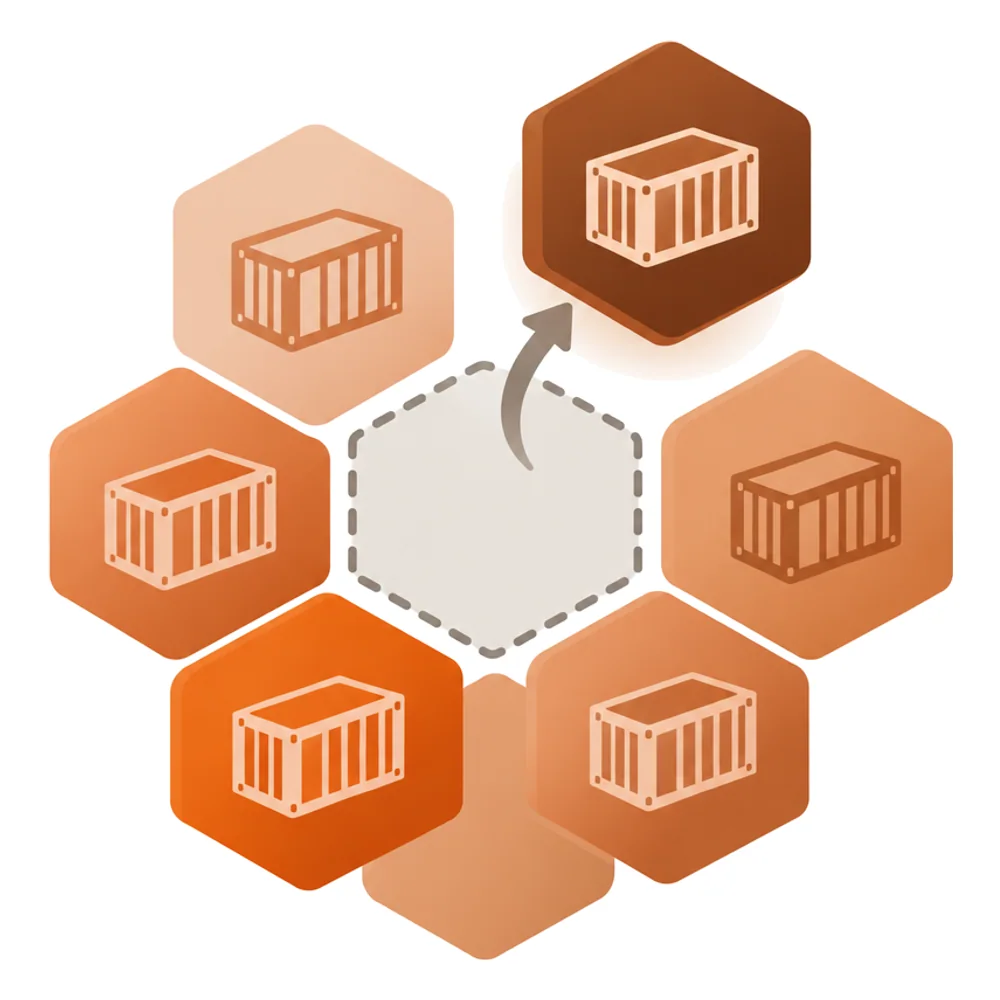
A honeycomb of interlocking cells with one lifting out shows containers that can be swapped easily in cloud native apps.
  • Full-service, end-to-end cloud consulting
  • 250+ workloads migrated
  • 120+ environments secured
  • $5M+ annual spend optimized
  • Rated by teams in 7 sectors
  • Complimentary consultation and strategy session
  • Dedicated account manager
  • Five-plus support languages

What Is Cloud Native Consulting?

Cloud native consulting is a service that helps your business design, build and run applications that use the cloud the way it was meant to be used: packaged in containers, orchestrated by platforms such as Kubernetes, released through automated pipelines and watched with real monitoring. You start with the applications and the outcome you need, not with a tool.

How a Cloud Native Platform Works in Your Business

  1. Code is committedDevelopers push changes to your repository, and every change triggers the same automated checks.
  2. Pipelines build and testEach change is built into a container image, tested and scanned for known vulnerabilities before it moves on.
  3. Kubernetes runs itThe platform schedules containers across your nodes, restarts failed ones and scales them up or down with demand.
  4. Monitoring watches itMetrics, logs and traces show how each service behaves, and alerts reach the right person with context attached.
  5. Done tick iconYou release with confidenceReleases are small, reversible and frequent, and the cost of each environment is visible to your team and to finance.

What Cloud Native Consultants Actually Do

A good engagement covers the full path from first assessment to a platform your team runs on its own, so you never end up with a cluster nobody understands.

  • Application and readiness assessment
  • Container and Kubernetes platform design
  • CI/CD and GitOps pipelines
  • Microservices and API design review
  • Observability and incident response setup
  • Security, policy and cost guardrails

The Hidden Costs of Running Applications the Old Way

Manual releases, oversized servers and fragile monolithic code slow your team down and cost more every month, even when everything looks fine from the outside.

  • Hourglass icon1.

    Slow, Risky Releases

    Large releases bundle dozens of changes, so one bug can hold back everything and rollbacks take an evening of careful manual work.

    Real costDelayed Features

    Work that waits weeks for a release slot

  • Coin icon2.

    Servers Paid for Around the Clock

    Fixed capacity sized for the busiest day sits mostly idle the other 360, so you pay for peak load all year.

    Real costWasted Cloud Spend

    Money spent on capacity nobody uses

  • Warning icon3.

    Outages That Spread

    In a tightly coupled application one failing component can take the whole product down, and finding the cause takes hours.

    Real costDowntime

    Lost sales and unhappy customers

  • People icon4.

    Knowledge Stuck in a Few Heads

    When only one or two engineers know how production works, every vacation and resignation becomes a risk to the business.

    Real costKey-Person Risk

    A platform that depends on individuals

Cloud Native Consulting Built Around Your Applications

Most cloud native projects that struggle started with a platform choice. Yours starts with an honest look at each application: how it is built, how often it changes, how it fails and what it costs to run today.

From there you get a target design that fits your team size and skills. Some applications move to containers as they are, some are split into services where it pays off, and some stay exactly where they are because rewriting them would cost more than it returns.

How We Work With You

  • A ranked list of applications worth modernizing
  • A platform sized to your team, not to a conference talk
  • Pipelines and monitoring in place before the first release
  • Cost visibility per service and per environment

Why Cloud Native Is Worth the Effort

If you ship software often, cloud native practices remove the friction that slows every release. The gains compound: smaller changes fail less, recover faster and cost less to run. Start with one service, prove the pattern and extend it from there.

Choose This If You Want To

  • Lightning bolt iconRelease in small steps instead of one big risky launch
  • Upward trend iconScale each service with demand instead of paying for peak load
  • Shield iconContain failures so one component cannot take down the product
  • Clock iconRecover faster with automated rollbacks and clear monitoring
  • Plug and socket iconRun the same setup across AWS, Azure and Google Cloud
  • Target iconSee what every service and environment costs to run

Your Cloud Native Consulting Process, Step by Step

  1. Step 1

    Free Consultation

    You talk through your applications, your team and the problems that cost you the most today. Your consultant asks about release frequency, incidents and cloud spend, and tells you honestly where cloud native will and will not help.

    You get a written summary and a cost range

    Short and in writing, so you can share it with your team.

  2. Step 2

    Application Assessment

    Each application is reviewed for architecture, dependencies, data, state and operational effort. You see which ones are good candidates, which need preparation and which should stay as they are.

    A ranked plan and fixed quote follow

    Clear priorities, a target design and one fixed price for the first phase.

  3. Step 3

    Platform and Pipeline Build

    The container platform, CI/CD pipelines, observability and security controls are built and tested with one real application. Your engineers work alongside the consultants so the knowledge stays with you.

    You get a working platform and a first service live

    Documented, monitored and running in your own cloud accounts.

  4. Ongoing

    Expand and Improve

    More services move onto the platform in planned waves, while cost, reliability and release speed are tracked against the starting point.

    You get monthly reports you can show to finance

    Release frequency, incident counts and spend per service in one report.

What’s Included With Cloud Native Consulting

Choose a single service or get the full program, from assessment to ongoing support.

  • Every Application Assessed and Ranked

    Your assessment scores each application for architecture, dependencies, risk and payoff.

  • A Platform Sized to Your Team

    A Kubernetes setup, managed or self-run, that your engineers can operate without outside help.

  • Delivery Pipelines That Run Themselves

    Automated build, test, scan and release steps with GitOps and easy rollbacks.

  • Monitoring You Can Act On

    Metrics, logs, traces and alerts that point to causes instead of only symptoms.

  • Security Built Into the Platform

    Least-privilege access, image scanning, secrets management and policy checks.

  • Your Team Trained Before Handover

    Hands-on sessions and runbooks so your engineers own the platform confidently.

Workloads Migrated250+
Environments Secured120+
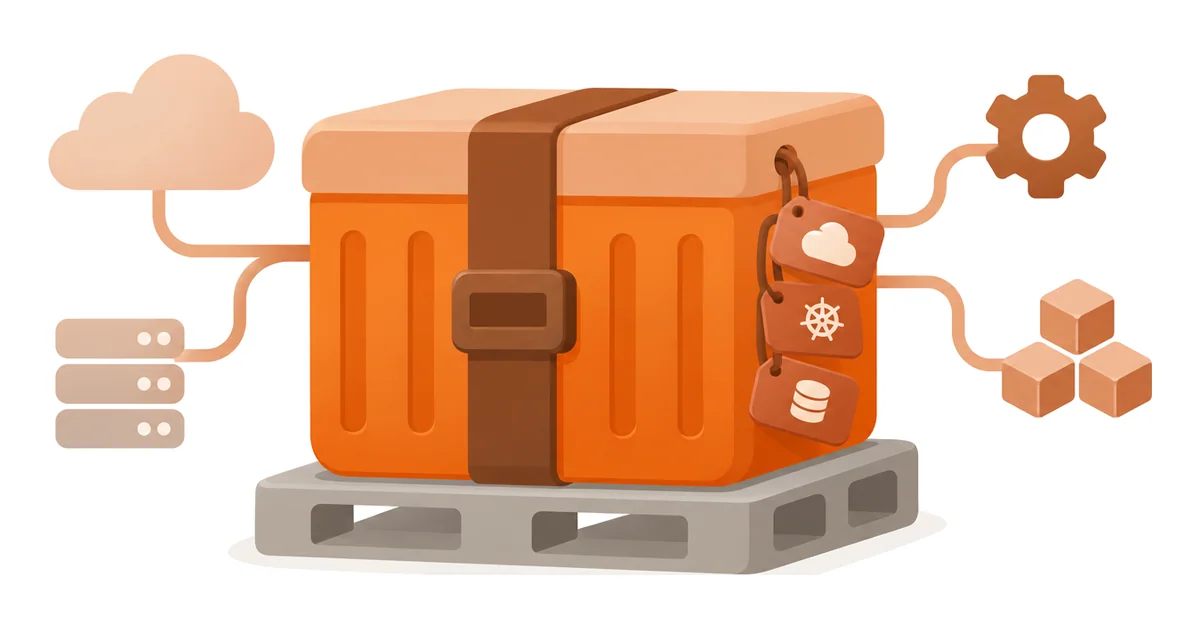
A labeled shipping crate on a pallet shows an application packaged into a container ready to run anywhere.
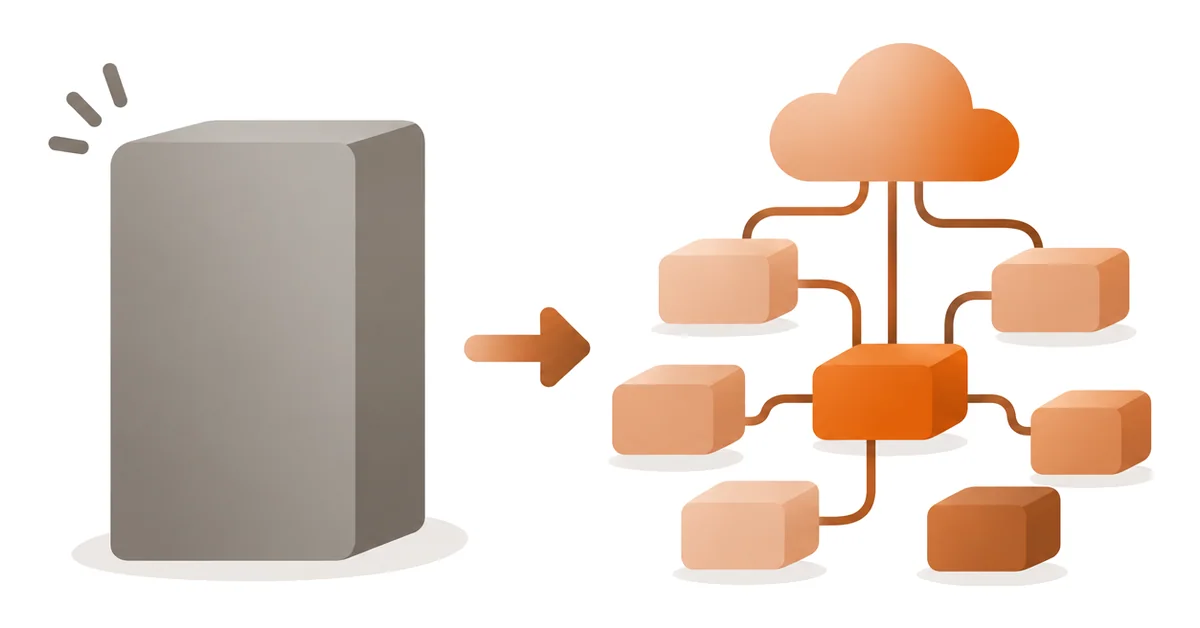
A heavy block on the left and the same size broken into small connected blocks on the right show a monolith split into services.

Cloud Native Consulting Results From Real Clients

Deploys From Weekly to Daily

“Releases were a Friday event with three people on call. Cloud Hull built a CI/CD pipeline, added automated tests and set up infrastructure as code. We now deploy daily, and rollbacks take minutes instead of an evening.”

HW
Hannah WeissHead of Platform, Online Retailer

Black Friday Without a Crash

“Our shop slowed to a crawl every holiday season. Cloud Hull redesigned the architecture around autoscaling and a managed cache. Peak traffic ran 3x higher than the year before, and page times stayed under two seconds.”

ER
Elena RossiOperations Director, Ecommerce Brand

Plain Answers From the Start

“On the discovery call they asked about our actual workloads instead of pitching a platform, and told us two systems should stay where they were. That honesty is why we hired them. The work since has been practical and well documented.”

TB
Tom BrennanIT Manager, Logistics Company

Your Delivery Before and After Cloud Native

How time is spent today and what you could recover.

Before

  • Releases bundled into large, rare events
  • Servers sized for the busiest day of the year
  • One failing component affects the whole product
  • Environments built by hand and slightly different
  • Nobody can say what a service costs to run

After

  • Small releases ship as often as you want
  • Services scale up and down with demand
  • Failures stay contained and recover automatically
  • Environments created from code, identical every time
  • Spend visible per service and per team

Benefits of Cloud Native Consulting for Your Business

Why outside help pays off when you build for the cloud.

Clock iconYou Ship Faster and More Often

Automated pipelines and small releases shorten the path from commit to production from weeks to days, or hours. Your team spends its time on features instead of release coordination.

Shield iconYou Contain Failures

Services that fail on their own, with health checks and automatic restarts, keep one bug from becoming an outage. When something does break, tracing shows you where.

Trend iconYou Pay for What You Use

Autoscaling and rightsized workloads stop you from paying for peak capacity all year. Cost is visible per service, so waste is easy to spot and fix.

Target iconYou Avoid Expensive Rewrites

A pragmatic assessment keeps stable applications as they are and modernizes only where the payoff is clear, so you do not fund a rewrite that returns nothing.

Cloud Native Consulting Scope and Cost

Every project gets a fixed quote after a free assessment. These are the usual packages and how each one is priced.

PackageWhat it includesHow you pay
Cloud native assessmentApplication review, readiness scoring, target design and a ranked planFixed price
Platform buildKubernetes platform, CI/CD, observability and security baseline with one live serviceFixed price per phase
Service migration wavesContainerizing and moving further applications onto the platformFixed price per wave
Managed platform supportMonitoring, upgrades, incident support and monthly reportingMonthly retainer

What to Expect Before Your Cloud Native Project Starts

  • Hidden fees

    Prices Agreed Up Front

    The assessment ends with a fixed quote and no extra charges later.

  • Projects better left alone

    A Candid Fit Check

    If an application is better left alone, you hear it on the first call, along with what to fix first.

  • Status reports that say little

    Plain Answers at Every Step

    You get short weekly updates on what is done, what is blocked and what is needed from you.

  • Long waits

    Written Next Steps After the Call

    You leave the call with a summary of priorities, timing and likely cost that your colleagues can review.

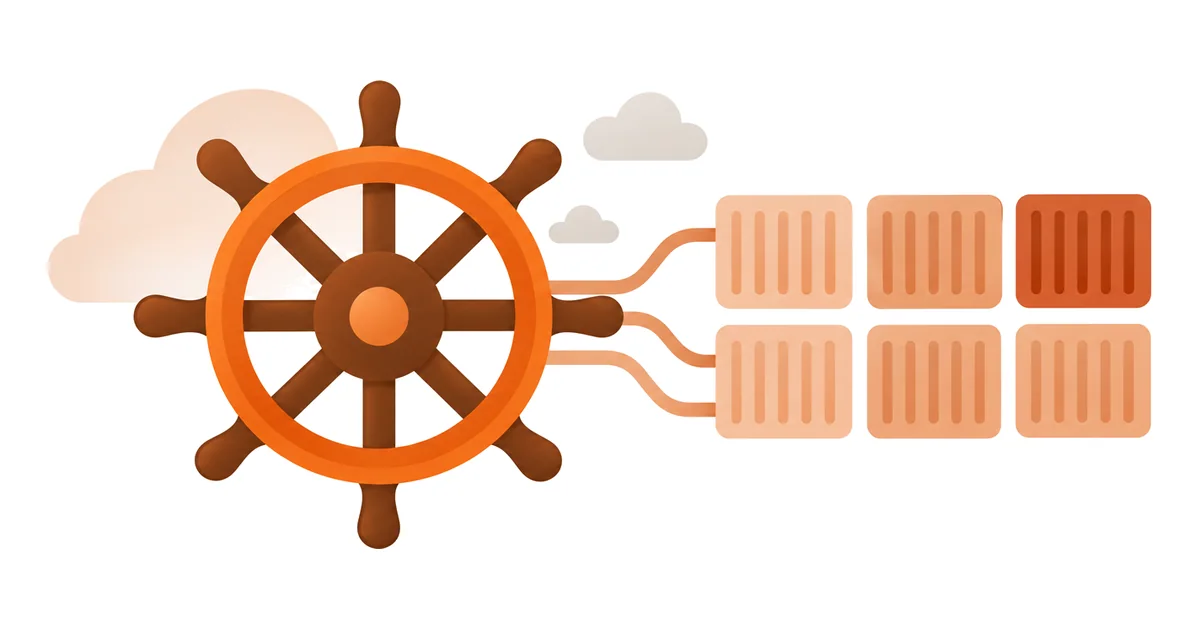
A ship wheel steering a grid of containers with one being replaced shows a Kubernetes platform your team can run.

Containers and Kubernetes Platforms That Your Team Can Actually Run

No cluster for its own sake. The platform is sized to your workloads and your team, with managed Kubernetes where it saves effort and clear upgrade and backup routines.

Namespaces, networking, access rules and resource limits are set up once, in code, so every new service starts from a safe default instead of a blank page.

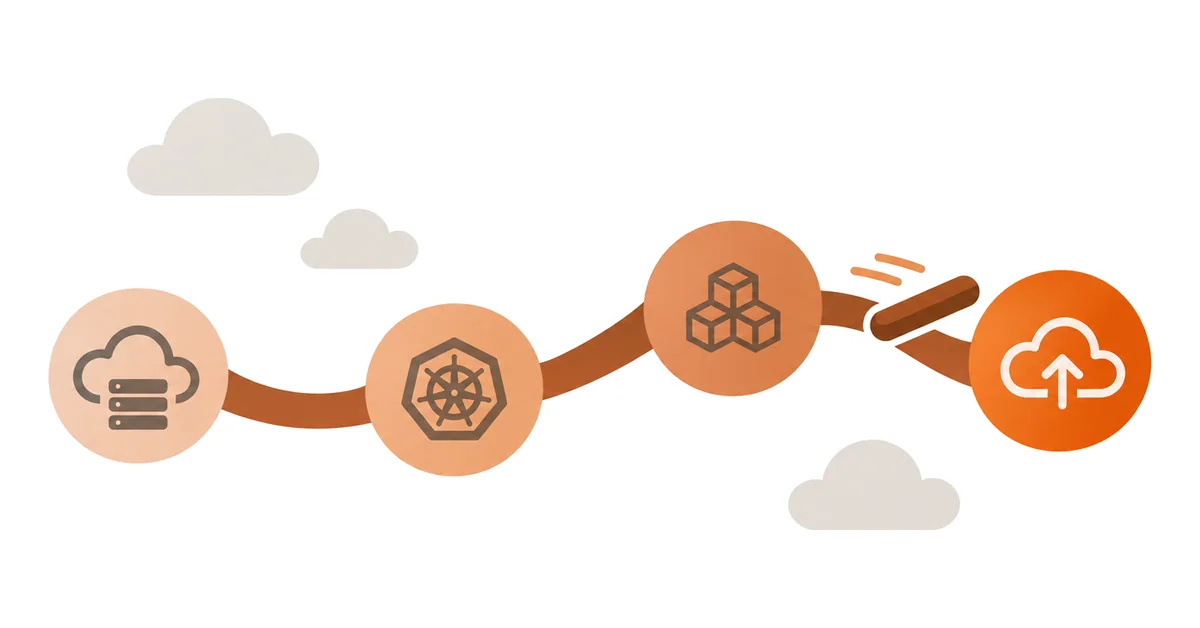
A baton passed smoothly across four stations on a curved path shows delivery pipelines that make releases uneventful.

Delivery Pipelines That Make Releases Boring

Every change is built, tested, scanned and deployed the same way. Releases become small and reversible, and a bad one is rolled back in minutes.

GitOps keeps the running state in version control, so you can always see what is deployed, who changed it and how to return to the last good version.

Cloud Native Consulting for Your Industry

The workloads that benefit first in your sector.

Fintech and Financial Services

Payment and lending platforms need fast releases and strict control at the same time. Containers, policy checks and audit trails give you both. See cloud security consulting for the controls around it.

Ecommerce and Retail

Traffic spikes at sale time are the classic case for autoscaling services. Learn how cloud architecture consulting shapes a store that holds up on its busiest day.

SaaS and Software

Product teams get the most from small releases and per-service scaling. Pair the platform with cloud DevOps consulting for pipelines and release practices.

Healthcare and Logistics

Data-heavy, always-on systems need reliable failover and clear cost control. Explore cloud cost optimization consulting to keep spend predictable as the platform grows.

How to Choose the Right Cloud Native Consulting Partner

The right partner makes the difference between a platform your team runs for years and a cluster that nobody dares to upgrade. Before you sign, check that your cloud native consulting partner can show you each of these:

  • An assessment that ranks applications by payoff and risk
  • Hands-on experience with the platforms you run, not only one vendor
  • Pipelines, monitoring and security delivered with the platform
  • A fixed build price agreed before we start
  • A handover plan that leaves your engineers in charge

Also ask who holds the admin access and the documentation after launch. Your team should own both from day one.

What You Can Count On From Your Cloud Partner

  • Fixed price icon

    One Agreed Price

    See the full price before any build begins.

  • Coin icon

    Expert Work at a Sensible Price

    Full-service, end-to-end consulting at a price that fits a first project.

  • Account manager icon

    Personal Account Lead

    One contact who knows your project and answers your questions fast.

  • Shield icon

    Your Environment Stays Protected

    Least-privilege access, documented changes and NDAs on request.

Cloud Native Consulting FAQs

What Does Cloud Native Actually Mean?

Cloud native means building and running applications so they take full advantage of the cloud. In practice that usually means containers, an orchestrator such as Kubernetes, automated delivery pipelines, services that scale independently and monitoring built in from the start. Moving a server to the cloud unchanged is a lift and shift, which is a different thing.

Do All of Our Applications Need to Become Cloud Native?

No. Stable applications that rarely change and run cheaply often belong where they are. Your assessment ranks every application, so effort goes to the ones where faster releases, better scaling or lower cost make a real difference.

Is Kubernetes Always Required?

No. Smaller workloads can run well on managed container services or serverless platforms with far less operational work. Kubernetes makes sense when you run many services, need portability or want fine control. You see the reasoning in writing before anything is built.

How Long Does a Cloud Native Project Take?

It depends on the number of applications and how tightly they are coupled. After the assessment you get a timeline for the first phase, and the first service usually reaches production well before the platform is fully built out. Larger programs then expand in planned waves.

Will Our Team Be Able to Run It After Handover?

That is the goal. Your engineers work alongside the consultants during the build, and you receive runbooks, architecture notes and hands-on training. A managed support option is available if you prefer a safety net for the first months.

How Much Does Cloud Native Consulting Cost?

The cost depends on the number of applications, the platform you choose and how much automation you need. You get a realistic cost range on your free discovery call and a fixed quote after the assessment, with no hidden extras.

Can This Run on More than One Cloud?

Yes. Containers and Kubernetes run on AWS, Azure and Google Cloud, and infrastructure as code keeps the setup repeatable. Multi-cloud adds operational effort, so you hear honestly whether your situation justifies it or one cloud is the better choice.

How Do You Keep Cloud Native Costs Under Control?

Cost visibility is built in from the start: resources are tagged by service and team, workloads get rightsized requests and limits, autoscaling is tuned and unused environments are shut down automatically. You see spend per service in the monthly report.

What Happens If a Release Goes Wrong?

Pipelines include automated tests, health checks and progressive rollout, so most problems are caught before they reach all users. If one slips through, the previous version is restored in minutes and the cause is fixed along with a new test to prevent a repeat.

Is There Support Once We Launch?

Yes. Your dedicated account manager reviews performance with you every month, and support is available in 5+ languages. Upgrades, new services and cost reviews can be added as your platform grows.
Start Your Cloud Native Project With a Free Plan

Get a free assessment call and a clear plan for your first service.

Schedule a Free Consultation

Get Your Free Discovery Call

Enter your name.
That email address looks incomplete.
Add a short subject.
Tell us in a sentence or two what you need.