Main Points
- Run a 6 to 12 week pilot on one real service before you design the full platform.
- Each phase ends with a gate that has numbers, so you know when to move on.
- Migrate applications in waves ranked by payoff, and plan to leave some alone.
- Expect a full rollout to take 12 to 24 months, with value arriving in the first quarter.
A roadmap should tell your team what happens next and when to stop. Most cloud native roadmaps I am shown list tools on a timeline. The useful ones list outcomes, owners and checks. When I do cloud native consulting work, I give clients the plan below and adjust it to their situation.
It has five phases, each with a goal, an output and a gate. The timing comes from my own projects and assumes a team of 20 to 100 engineers. Smaller teams move faster and larger ones slower.
The Roadmap on One Page
| Phase | When | Goal | Output |
|---|---|---|---|
| Phase 0: Baseline and Decisions | Weeks 1 to 3 | Agree on goals, numbers and a pilot application. | A one-page plan, a baseline and a named owner |
| Phase 1: Pilot Service | Weeks 4 to 12 | Put one real service through the new pipeline and platform. | A live service, pipeline, monitoring and cost labels |
| Phase 2: Platform Foundations | Months 3 to 5 | Turn the pilot setup into a paved road other teams can use. | Templates, access rules, policies and runbooks |
| Phase 3: Migration Waves | Months 5 to 12 | Move or rebuild applications in groups, ranked by payoff. | Services live on the platform, old environments retired |
| Phase 4: Full Rollout and Optimization | Month 12 onward | Make the platform the default and tune cost and reliability. | Quarterly reviews, lower unit costs, an owned platform |
Phase 0: Baseline and Decisions
Spend the first three weeks on decisions, not on tools. Write down one or two goals, such as shorter release time or a lower monthly run cost. Measure today's numbers: lead time for changes, deployment frequency, recovery time, change fail rate and monthly spend. The DORA research defines the delivery metrics, and a rough measurement beats none.
Score your applications and pick the pilot. My cloud native strategy guide explains the scoring in detail. Name one owner for the program, with authority over both engineering time and budget.
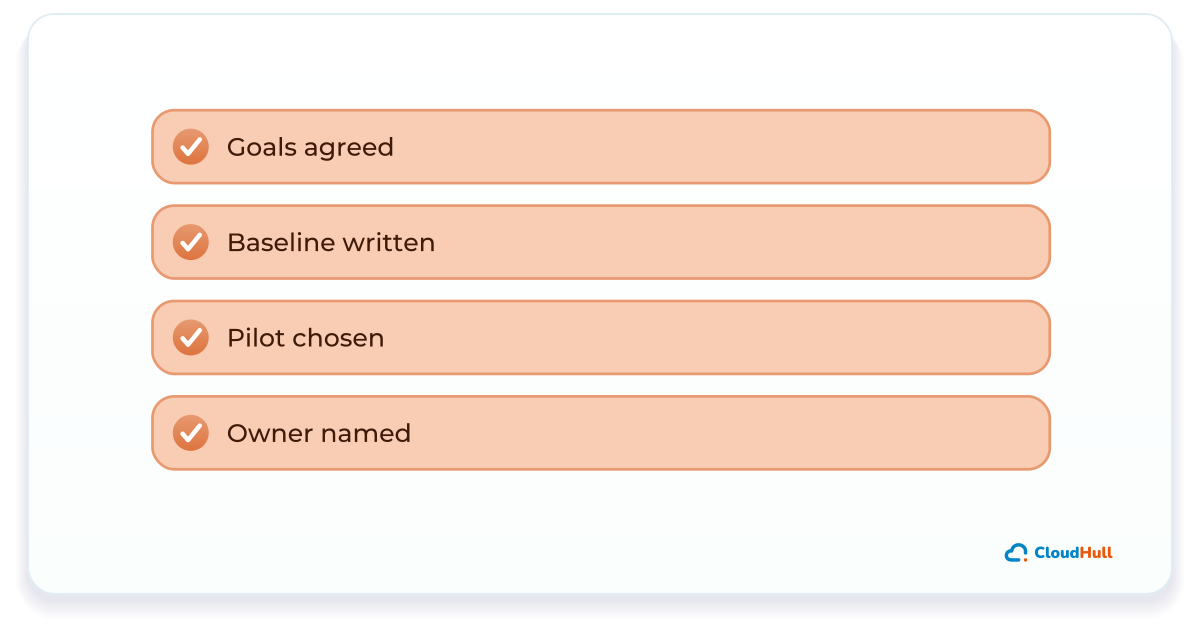
Gate to move on: a written baseline, a chosen pilot and a named owner.
Phase 1: Pilot Service
Take the pilot application through the whole path: container image, pipeline, deployment to a managed Kubernetes cluster or container service, monitoring, alerts, secrets and cost labels. Keep the team small, with two or three engineers who will later teach others.
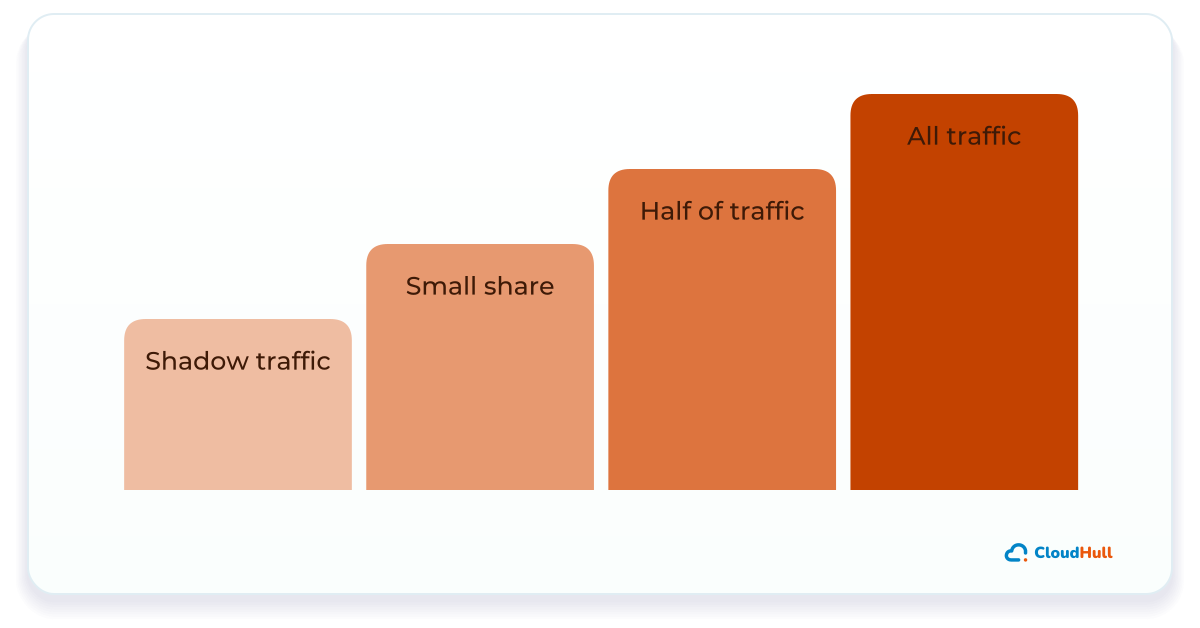
In my client work, the first month goes mostly to access, networking and security reviews, not to Kubernetes. Plan for that. Production traffic reaches the pilot in stages, perhaps 5%, then 25% and then all of it, with the old path kept as a fallback until the new one has run for a few weeks.
Gate to move on: the pilot serves all its traffic, the release path takes under an hour, alerts are tied to user impact and cost per service is visible. If one of those is missing, extend the phase by weeks, not months.
Phase 2: Platform Foundations
Now turn the pilot setup into something other teams can use without asking you. Create service templates with the pipeline, monitoring and policies already included. Write the access model, using least-privilege roles and short-lived credentials. Set up policy checks so risky changes fail early, and document upgrade and incident procedures.
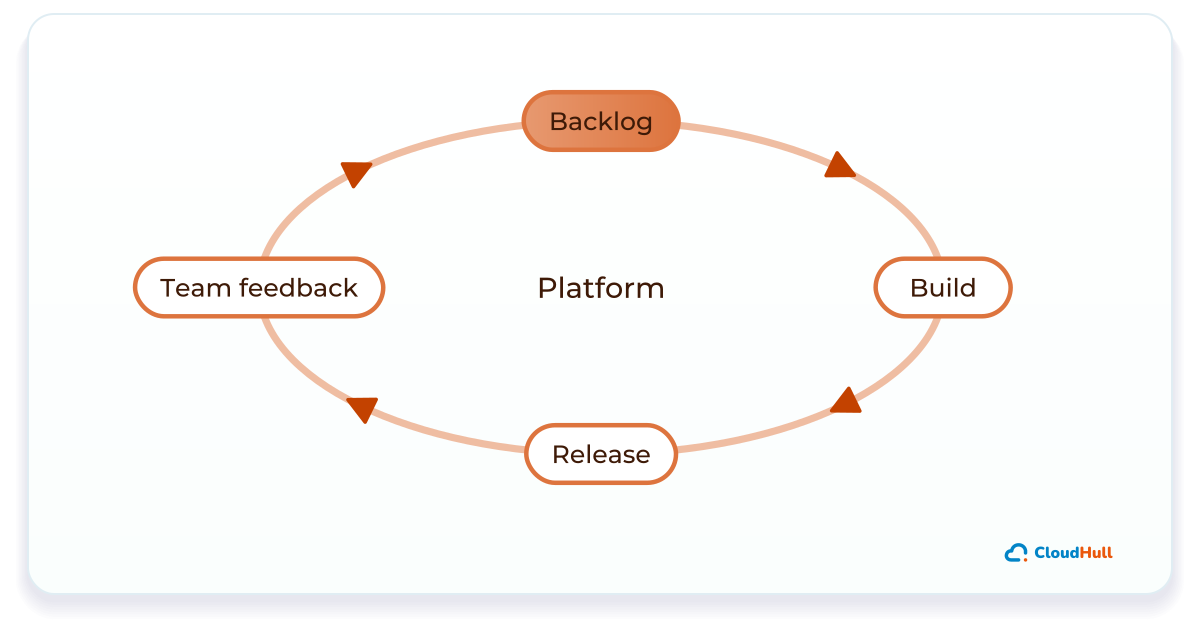
This phase is where the platform becomes a product. Give it a backlog, a name and a way for teams to ask for features. The 2025 CNCF survey found that the top cloud native challenge was cultural change within development teams, cited by 47% of respondents. Run short training sessions, and nominate one champion in each team. The best practices I check on every platform give you a checklist for this phase.
Gate to move on: a second team deploys a new service on the paved road without help from the platform team.
Phase 3: Migration Waves
Group applications into waves of three to six, ranked by the scores from phase 0, and keep each wave to a quarter. Every wave ends with a short review of what the last one taught. Retire what can be retired, containerize what can stay as it is and refactor only where the payoff is clear.
| Wave | Typical contents | Risk | Rollback plan |
|---|---|---|---|
| Wave 1 | Stateless web services and APIs | Low | Route traffic back to the old path |
| Wave 2 | Workers, queues and batch jobs | Low to medium | Pause consumers, restart on the old path |
| Wave 3 | Services with databases and shared state | Medium | Replica kept for a defined period |
| Wave 4 | Business-critical and legacy systems | High | Full rehearsal and a cutover window |
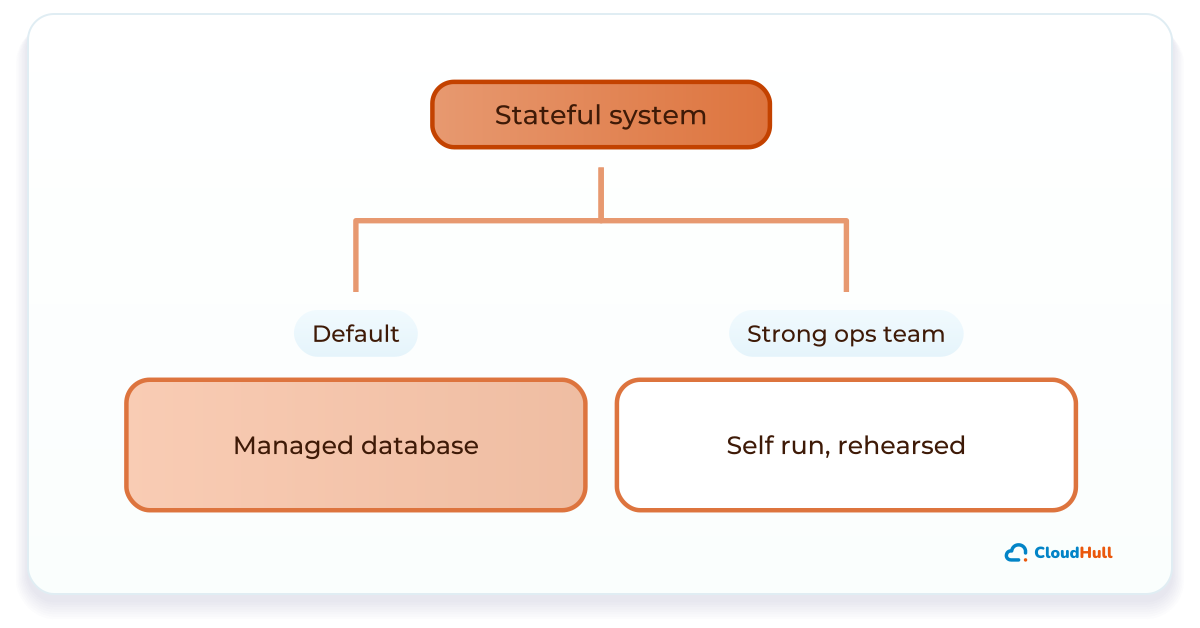
Stateful systems deserve a special warning. Running databases in Kubernetes is possible, and many teams prefer managed database services instead, because backups, failover and upgrades are then someone else's job. For a sense of how this worked out in real projects, my collection of cloud native examples includes both public cases and my own.
Gate to move on: most planned services run on the platform, old environments are switched off and the migration cost is within 15% of plan.
Phase 4: Full Rollout and Optimization
From month twelve onward, the platform is the default way to ship software. The work changes from migrating to improving. Review cost per service every month, rightsize requests, move steady workloads to committed pricing and shut down idle environments. Flexera's 2026 State of the Cloud report estimates wasted cloud spend at 29%, so there is almost always something to find.
Reliability work moves up the list too: service level objectives, game days and recovery tests. Keep measuring the five delivery numbers from phase 0, and show the trend to leadership every quarter.
Gate to finish: the quarterly review shows a better trend on every goal from phase 0, and the platform team can run without outside help.
Who You Need in Each Phase
The roadmap fails quietly when the people side is vague. The table shows the roles I plan for in each phase. Many of them are part-time or filled by people you already have, and one person can hold more than one role in a small company.
| Phase | Core roles | Time commitment | Main output of the people |
|---|---|---|---|
| Phase 0 | Program owner, one architect, one finance contact | About one day a week each | Baseline, scores and the pilot choice |
| Phase 1 | Two or three platform engineers, the pilot's service team | Mostly full time | A live pilot with pipeline and monitoring |
| Phase 2 | Platform team, one security engineer, team champions | Platform team full time, others part time | Templates, policies and training |
| Phase 3 | Platform team plus service teams, wave by wave | Each team gives a few weeks per wave | Migrated services and retired environments |
| Phase 4 | Platform team, finance and reliability owners | Steady, ongoing | Lower unit cost and better reliability |
The most common gap is a platform team that exists on paper. If the engineers who built the pilot return to feature work in phase 2, the paved road never gets built, and every team solves the same problems again. Protect that time in the plan, and tell the business what it will not get from those engineers for a few months.
Budget follows the same logic. In my client work, people cost is the largest line in the first year, usually larger than cloud spend and tool licenses together. Managed services cost more per unit than self-run ones, and they usually repay the difference in engineering hours. Add a reserve of around 15% for the surprises that every program has, such as a legacy dependency that nobody documented.
Where Roadmaps Slip, and How to Respond
In my experience, plans slip in four places. The first is access: security reviews and account approvals take weeks, so start them on day one. The second is the pilot choice, when a team picks a critical system and then stalls on every risk discussion. The third is the platform team, which is staffed part-time and gets pulled into incidents. The fourth is scope: each phase grows a few extra goals until it no longer fits its time box.
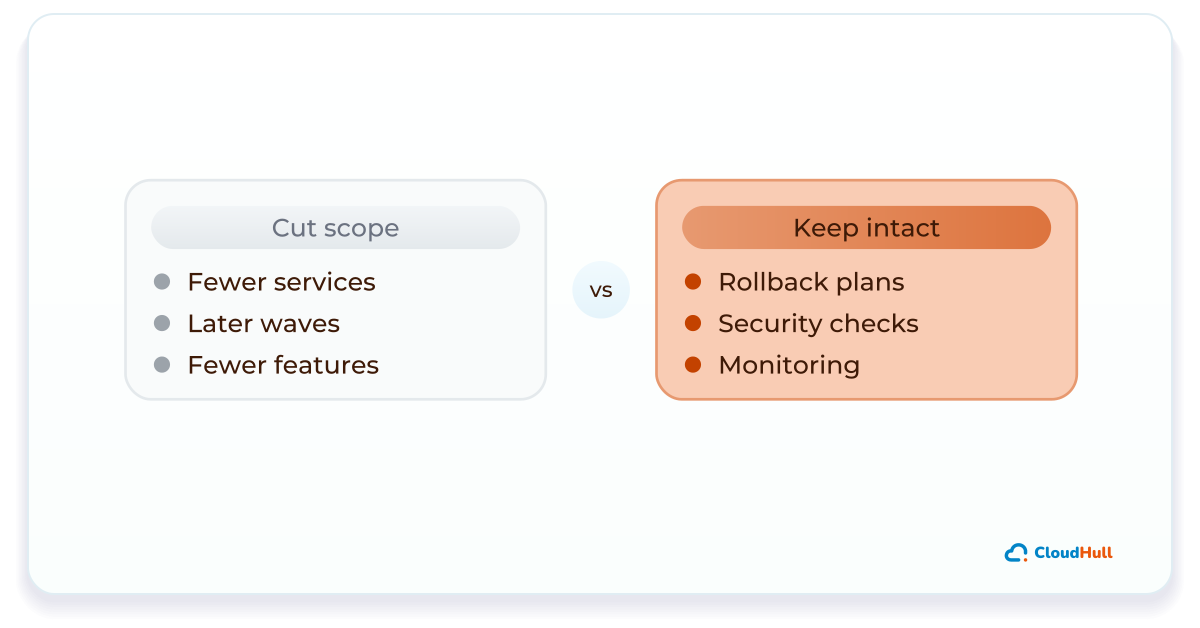
The response is the same in each case: cut scope, not quality, and move the date only after you have cut. The hurdles teams meet in practice are covered in more depth in my list of cloud native challenges.
One last habit helps all five phases: a short written note at the end of each one. Record what you planned, what happened, what you changed and what you would do differently. Those notes become the training material for the next wave, and they give leadership an honest view of progress when the schedule moves. Teams that skip them repeat the same arguments every quarter.
How to Adapt the Roadmap to Your Team
Use the phases as a skeleton and adjust the length to your size. A ten-person team can compress phases 1 and 2 into a single quarter. A regulated company may need extra weeks for security review in phase 1. Before you commit, check four things:
- Every phase has a gate with numbers, not a feeling.
- Someone owns each phase and has time set aside for it.
- The budget covers the platform team, not only licenses and cloud costs.
- Leadership knows that the first quarter delivers one pilot, not a transformed company.
If you want a second pair of eyes, a short assessment can turn this skeleton into a dated plan for your applications.
Questions About Your Cloud Native Roadmap
How Long Does a Cloud Native Roadmap Take?
A first useful result arrives in about three months with a pilot. A full rollout across many applications usually takes 12 to 24 months, depending on how many services you have, how tangled they are and how many engineers can work on the platform.
What Should the Pilot Be?
A service that changes often, has real traffic and can fail without stopping sales. It should be important enough that people care and small enough that a mistake is recoverable.
How Many People Do I Need on the Platform Team?
Two or three engineers can run a small platform on managed services. Larger programs grow toward a team of roughly one platform engineer for every ten to twenty service engineers, though the right ratio depends on how much you build yourself.
Can I Skip the Pilot and Go Straight to a Platform?
I would not. A platform designed before any service runs on it tends to solve imaginary problems. A pilot shows what the platform must really do, and it costs a few weeks.
What If the Pilot Fails?
Treat it as information. Look at whether the cause was the application, the platform or the team's skills, adjust and run a second pilot. Failing small is the reason for starting small.
Do I Need to Migrate Everything?
No. Some applications are better left in place or retired. A good roadmap lists them as decisions, with a reason, so nobody feels the migration is unfinished.
How Do I Keep the Roadmap from Slipping?
Keep each phase short, review it with measurable numbers and drop scope instead of extending dates. Slipping roadmaps usually have phases that mix too many goals.
Sources
Please note: this guide is general information and not legal, financial or tax advice. Numbers and examples are typical-project estimates; confirm current details with your providers and advisers.
Did this article help you?
Thanks, noted.
Garrett Linville
Garrett leads the Cloud Hull editorial team and works with the consultants to turn real client projects into practical guides on cloud migration, DevOps, security and cost control. Each article is edited together with the consultant who did the work, and every price and limit is checked against current provider documentation. He is based in the USA and works remotely.