Main Points
- Most adoption problems start with unclear goals, missing owners or late governance, not with technology.
- Cost overruns come from double-running periods, idle resources and unmodeled data transfer.
- Skills gaps and legacy dependencies are normal, and both can be planned for.
- Fix people and rules first, because they are cheaper to solve before the first workload moves.
Cloud adoption goes wrong in predictable ways. After enough projects, I can often name the problem within ten minutes of a first call. The symptom is usually a pilot that never becomes a second project, a bill nobody can explain or a security review that keeps finding the same gaps.
This article lists eight challenges in the order I would check them, with the cause and the fix for each. If you want help finding which ones apply to you, cloud adoption consulting starts with that diagnosis.
The Eight Challenges at a Glance
| Challenge | Area | First symptom you notice |
|---|---|---|
| Unclear goals | Strategy | Every decision becomes a debate |
| Cost overruns | Cost | The bill is higher than the case |
| Skills gap | People | A few engineers do everything |
| Inconsistent security | Security | Audit findings repeat |
| Legacy systems | Technology | Cutovers fail on unknown dependencies |
| Late governance | Governance | Untagged, unowned resources |
| Lock-in fears | Strategy | Months of debate, no decision |
| Late stakeholders | People | Launches stopped by late questions |
Eight Challenges and How to Solve Them
I group them by where they start. The teams that moved fastest tackled the first and sixth items before anything technical. A sound order of work is in my cloud adoption roadmap.
Nobody Agrees on Why You Are Moving
Infrastructure wants to close a data center, product wants speed and finance wants lower cost. Without one shared goal, every decision turns into a negotiation, and the program loses its sponsor the first time a deadline slips. I have seen a migration paused for a quarter because two directors had different definitions of success.
How to solve it: Write the one or two outcomes on a single page, attach numbers and get the sponsor, finance and engineering to sign it before any design work starts.
Costs Run Above the Estimate
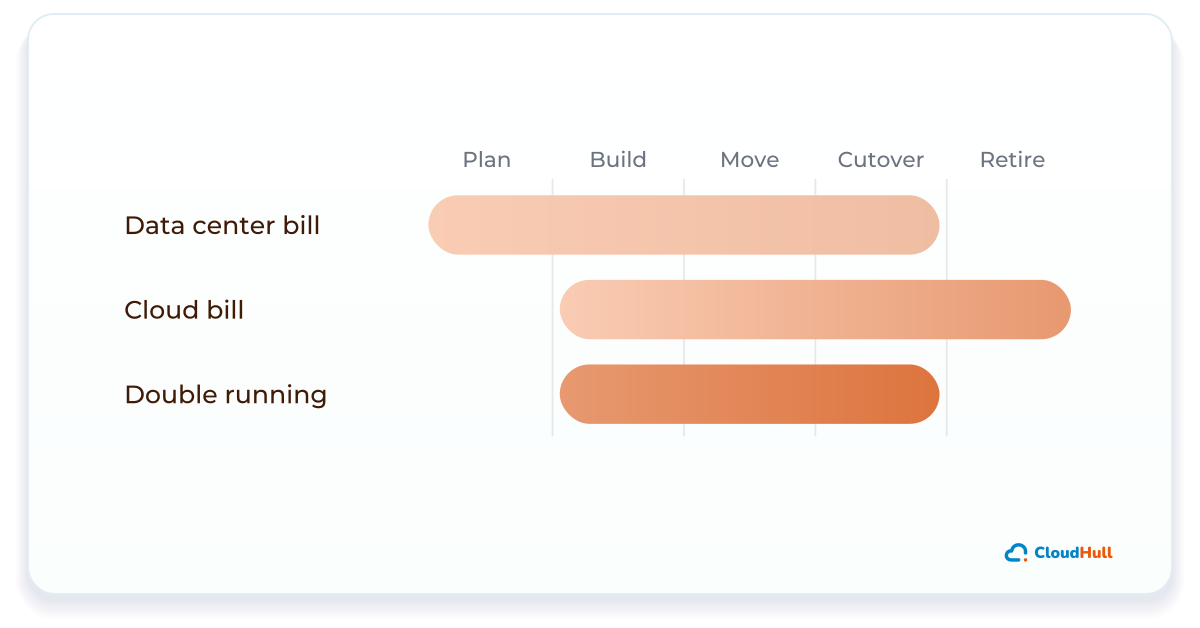
Flexera's 2026 State of the Cloud report puts wasted cloud spend at 29%. The usual causes are oversized resources, idle environments, data transfer nobody modeled and a double-running period when old and new environments both cost money. Estimates built from the vendor's price list alone miss most of it.
How to solve it: Model the double-running months, tag every resource with an owner from the first day, set budgets and alerts per team and review spend monthly. Add commitment discounts after usage has settled.
Your Team Lacks Cloud Skills
Engineers who know a data center well are not automatically ready to run production in the cloud. Networking, identity and cost behave differently, and a team that learns on production learns through incidents. Hiring takes months, and experienced people are expensive.
How to solve it: Train in small hands-on sessions on a real workload, support two or three engineers toward certification and bring in outside help for the foundation. Pair each outside expert with an internal owner who inherits the work.
Security and Access Are Set Up Inconsistently
In the cloud, a single misconfigured storage bucket or an over-privileged role can expose data. The shared responsibility model means your provider secures the infrastructure and you secure what you put on it, and many teams discover the boundary the hard way.
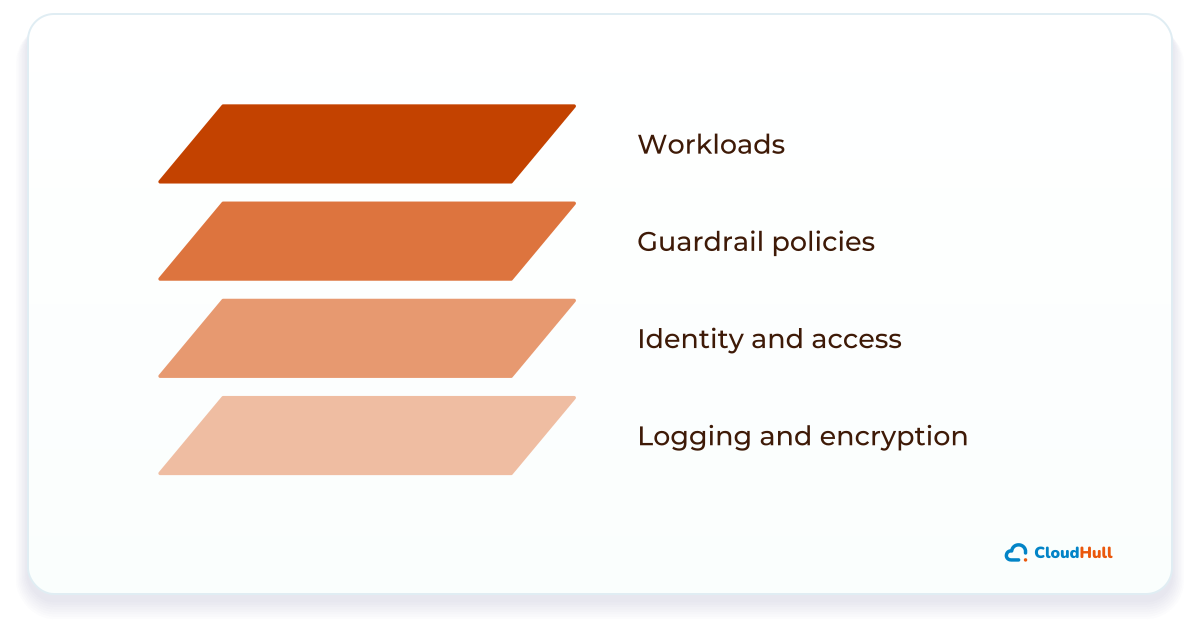
How to solve it: Build identity, encryption and logging into the landing zone, grant least privilege through roles, scan for misconfigurations continuously and review the provider's shared responsibility model with your security team.
Legacy Applications Resist the Move
Old applications often depend on hard-coded addresses, specific hardware, license terms tied to a server or a database version that the cloud no longer offers. The migration works in the test and fails at cutover because of a dependency no one documented.
How to solve it: Map dependencies with discovery tooling and interviews, test the application in the target environment before the move and decide early which systems are retired, kept or replaced instead of moved.
Governance Arrives Too Late
A few early projects create accounts freely, and by the time a policy exists, hundreds of resources sit outside it. Retrofitting tags, networks and permissions is slow and politically hard, because each team has to change something that works for them.
How to solve it: Set guardrails in the foundation before the first workload, enforce them with policy as code and give teams a fast, approved path so that following the rules is easier than working around them.
Vendor Lock-In Worries Stall Decisions
Teams spend months debating portability and end up with no decision. Full portability costs real effort and often removes the benefits of managed services. Zero lock-in does not exist, and the question is how much you are willing to pay to reduce it.
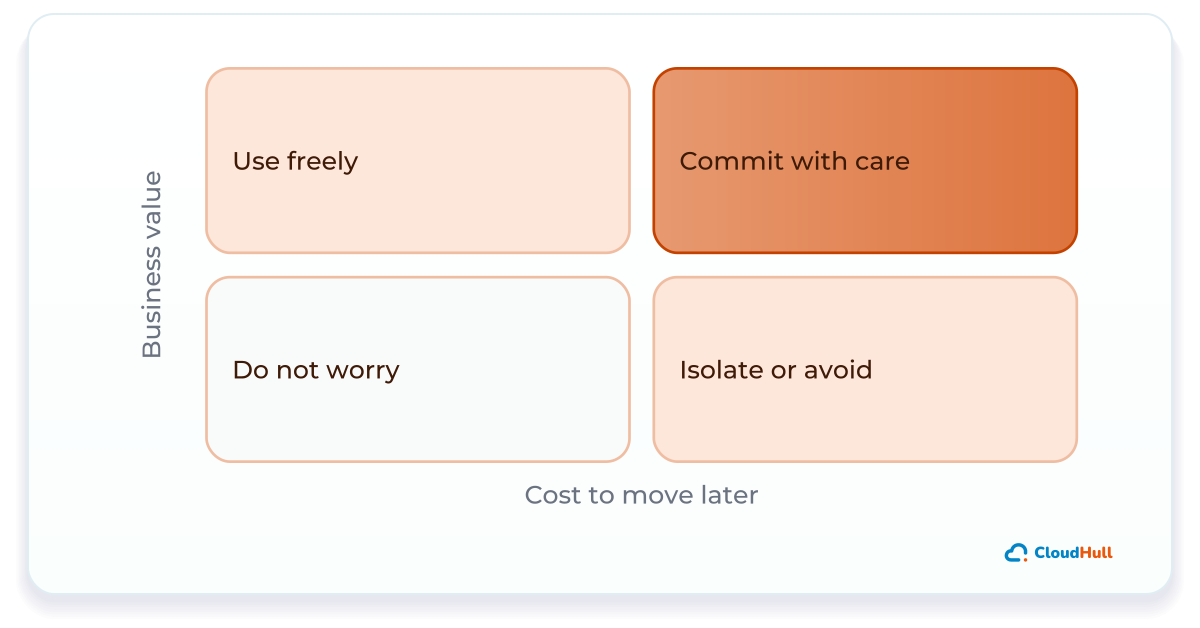
How to solve it: Rank workloads by how costly a later move would be, use open standards such as containers and open table formats where the cost is low and accept managed services where they save significant effort.
Business and Compliance Teams Are Pulled in Too Late
A program run by IT alone meets resistance when legal asks where data will live or finance asks why a monthly bill is variable. Late questions from those teams stop launches.
How to solve it: Invite legal, compliance and finance to phase one, share the data location and cost model early and agree on review steps with clear time limits.
Which Challenges to Tackle First
You cannot fix all eight at once, so here is the order I use. Start with goals and ownership, because everything else depends on them. Move on to governance and security in the foundation, since they are cheapest before the first workload runs. Add cost visibility next, so you see problems while they are small. Skills and legacy challenges come with each wave of work.
| Order | Challenge | Reason to fix it here |
|---|---|---|
| 1 | Unclear goals and late stakeholders | Everything else needs a decision owner |
| 2 | Governance and security | Cheapest before resources exist |
| 3 | Cost overruns | Early visibility keeps problems small |
| 4 | Skills gap | Training takes months, so start early |
| 5 | Legacy and lock-in | Decided workload by workload as waves begin |
The habits that prevent several of these at once are listed in my guide to cloud adoption best practices. If you want to check how exposed you already are, the cloud adoption assessment scores readiness across people, process and technology.
What It Looks Like When a Team Gets It Right
A client with about 60 applications and a small infrastructure team started with a one-page goal: close one data center within 18 months. Finance and security joined the first meeting. The landing zone took ten weeks, which felt slow, and the first pilot moved in about a week once it was ready. Waves of five to eight applications followed.
They still had problems. A license issue delayed one wave by a month, and a team resisted the new access model until the platform group fixed two slow approval steps. The difference was that each problem had an owner and a place to be decided, so none of them stopped the program.
How the Challenges Change With Company Size
The same eight problems show up everywhere, but their weight shifts with size. A small company feels skills and cost first, because one or two engineers carry everything and a surprise bill is a visible share of revenue. A large company feels governance and stakeholder problems first, because many teams need to agree and each one has its own habits.
| Company size | Challenges that bite first | What helps most |
|---|---|---|
| Under 50 people | Skills, cost, security basics | Managed services, budget alerts, one trained owner |
| 50 to 500 people | Governance, legacy systems, skills | A landing zone, a small platform team, a wave plan |
| Over 500 people | Unclear goals, stakeholders, lock-in debates | A program office, clear decision rights, standard patterns |
Regulated companies add a layer on top. Compliance questions arrive in every phase, and they are easier to answer when your counsel and auditors helped shape the foundation. I do not give legal advice, so ask your own advisers which rules apply to your data and your regions.
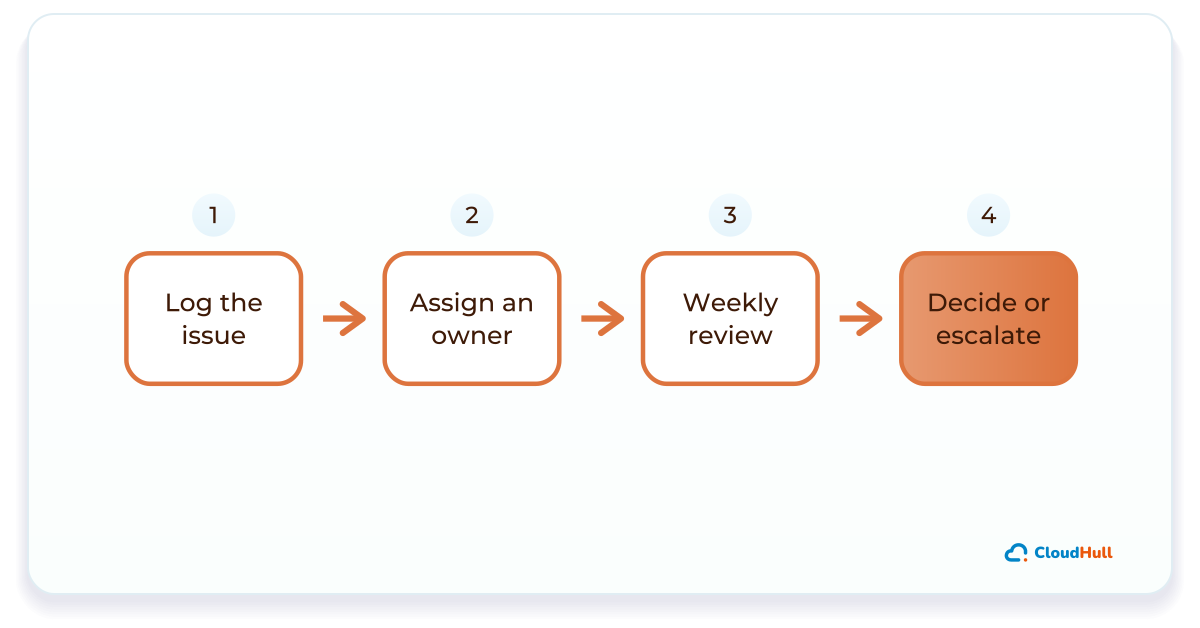
Whatever your size, track the challenges in a simple log with an owner and a date. The log shows which problems repeat, and repeats point to a missing rule or a missing owner. If the same item appears three weeks in a row, move it from the team's list to the sponsor's list. That one habit has unblocked more programs for me than any technical fix, and it keeps the exposure side of the program visible to the people who can act. Each logged challenge also shows up as a candidate item in the risk register that your sponsor reviews.
Numbers That Show a Challenge Is Growing
Challenges are easier to manage when you can see them early. Watch four numbers: the share of resources with an owner tag, the monthly spend against budget, the number of engineers who can deploy to production unaided and the average days an access request waits. A drop in the first, a rise in the second, a short list in the third or a long wait in the fourth each points to a specific challenge from this list, and each one is cheap to measure.
How to Decide Where Your Program Is Weakest
Ask these questions of your own program, and be honest in the answers:
- Can your sponsor, finance lead and engineering lead state the same goal?
- Does every cloud resource carry an owner tag?
- Could a team create a compliant environment without help?
- Do you know which applications are expected to stay where they are, and why?
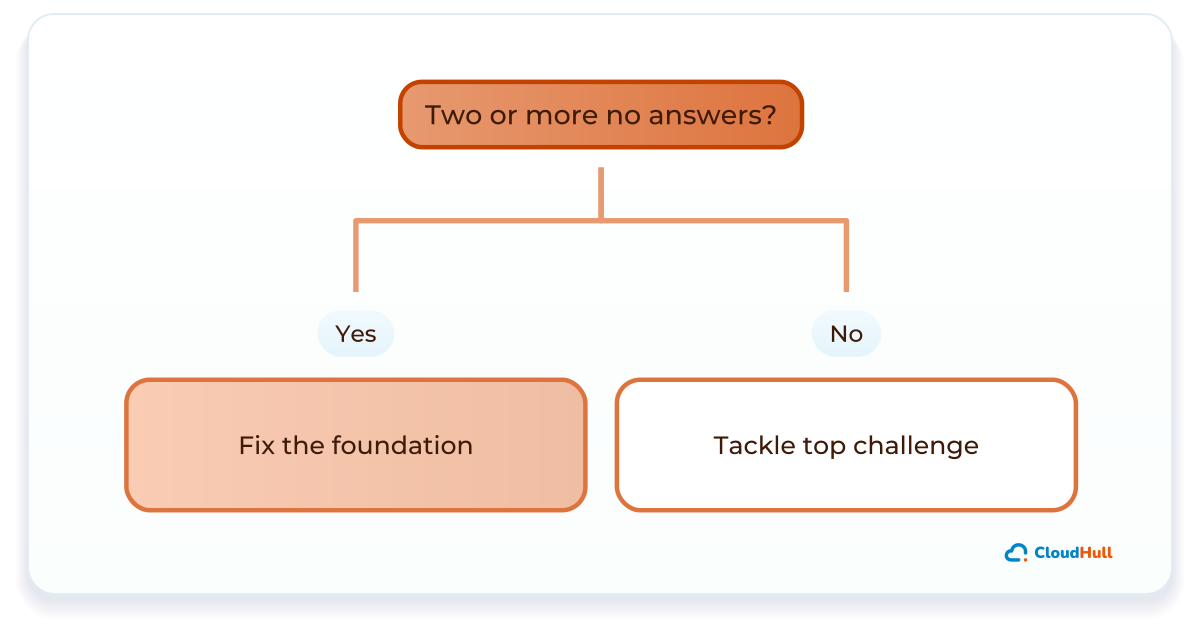
Two or more "no" answers mean you have a foundation problem, and an outside review can rank the fixes for you.
Questions About Cloud Adoption Challenges
What Is the Biggest Cloud Adoption Challenge?
It differs by company, but the most common root cause I see is unclear goals and ownership. When nobody owns the outcome, cost, security and skills problems all stay unresolved. A named sponsor and a one-page goal fix more than any tool.
Why Do Cloud Adoption Projects Exceed Budget?
Typical reasons are a period in which old and new environments run together, oversized resources, data transfer costs and unplanned work on legacy dependencies. Build the double-running period and a reserve of about 15% into the plan.
How Do I Handle Resistance from Engineers?
Involve them in the foundation design, make the new path faster than the old one and give people time and budget to learn. Resistance usually reflects real worries about skills and workload.
Is Moving to the Cloud Always Cheaper?
No. Steady, predictable workloads can cost more in the cloud than on well-used hardware. The cloud pays off through flexibility, speed and services you would struggle to build, so compare total cost and benefits for each workload.
How Do I Reduce Migration Risk?
Start with a pilot, migrate in waves from low to high risk, rehearse every cutover and keep a tested rollback path. Discovery of dependencies before the move prevents many surprises.
Which Challenges Should I Tackle First?
Goals and ownership first, then governance and security foundations, then skills and cost visibility. Technical challenges with specific applications come with each wave.
Can Small Companies Skip Governance?
Not entirely, but it can be light. A simple account structure, tagging rule, budget alert and access review take little time and prevent the expensive problems later.
Sources
- Flexera 2026 State of the Cloud Report
- AWS shared responsibility model
- Microsoft Cloud Adoption Framework for Azure
Please note: this guide is general information and not legal, financial or tax advice. Numbers and examples are typical-project estimates; confirm current details with your providers and advisers.
Did this article help you?
Thanks, noted.
Garrett Linville
Garrett leads the Cloud Hull editorial team and works with the consultants to turn real client projects into practical guides on cloud migration, DevOps, security and cost control. Each article is edited together with the consultant who did the work, and every price and limit is checked against current provider documentation. He is based in the USA and works remotely.