Main Points
- The same eight challenges appear in most programs, and the early ones cause most of the later trouble.
- Hidden dependencies and cost surprises are fixed by interviews, tagging and a 60 to 90 day review.
- Involve security and application owners at kickoff, not in month six.
- Rank the eight by likelihood and impact, then start with the top two or three.
Cloud transformations fail in predictable ways. In the programs I have worked on through cloud transformation consulting, the same eight problems come up: unclear goals, unknown dependencies, cost surprises, security gaps, skills, legacy systems, people and performance. None is rare, and every one is easier to handle when you see it coming.
Each challenge below has a short explanation, a fix and a list of steps. Use the table to find the ones most likely to hit you.
The Eight Challenges at a Glance
| Challenge | Typical damage | When it shows up |
|---|---|---|
| 1. Unclear Goals and Weak Sponsorship | Wasted effort, loss of sponsorship | Early |
| 2. Unknown Applications and Dependencies | Failed cutovers | Early |
| 3. Cost Surprises After Cutover | Budget overrun | Mid |
| 4. Security and Compliance Gaps | Blocked waves, audit findings | Early |
| 5. Skills Gaps in Your Team | Slow delivery, attrition | Early |
| 6. Legacy Systems That Resist Moving | Stalled critical systems | Mid |
| 7. Resistance From Teams and Owners | Quiet delays | Early |
| 8. Performance and Reliability Surprises | Slow or failing apps | Late |
The two early ones in the table cause most of the later trouble, which is why the assessment comes before the build.
Eight Challenges and How to Handle Each
Unclear Goals and Weak Sponsorship
The program starts with "move to the cloud" as the goal, and six months in, finance asks what it delivered. Different leaders then name different reasons, and each reads the status report through their own lens. I see this most often in companies where the program began as an IT initiative.
The fix is a one-page statement of two or three outcomes with numbers and dates, signed by an executive sponsor who attends the monthly review. The cloud transformation strategy describes how to rank drivers, and it takes about a week.
Steps to Fix It
- Run a one-hour session where leaders finish the sentence about the one outcome that matters most.
- Rank the answers and attach a measure and a date to the top three.
- Name one sponsor with budget authority.
- Put the outcomes at the top of every status report.
Helpful Tools
A shared document and a monthly review are enough. Software does not fix a sponsorship gap.
Unknown Applications and Dependencies
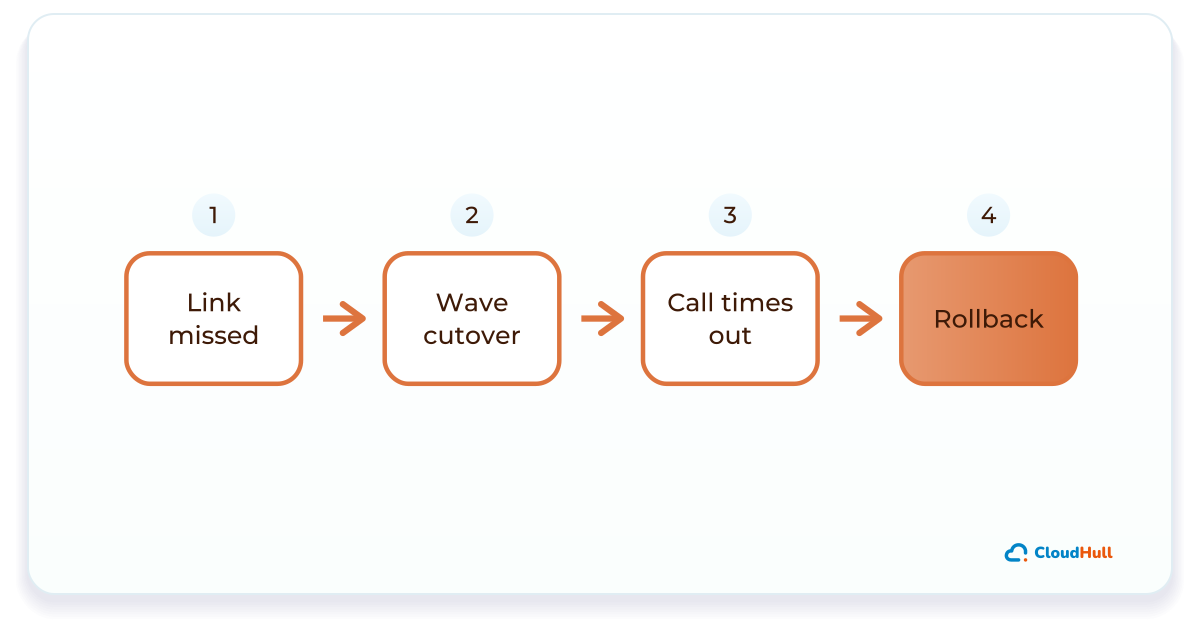
A migration wave fails at cutover because a nightly job nobody listed calls the database you just moved. Estates grow for years without a full map, and discovery tools miss manual steps and scheduled spreadsheets. In my client work, the inventory usually grows by about a fifth once owners are interviewed.
Scan first, then interview. Ask each owner what breaks if the system stops, who calls it and who calls them. Test every cutover in a copy of production before the real one.
How to Close the Gap
- Run a discovery scan of servers, ports and traffic for at least 30 days.
- Interview every application owner with the same five questions.
- Draw dependency groups and move each group in one wave.
- Rehearse the cutover and record every surprise.
What Makes It Easier
Discovery tools from the major providers help with the scan, and a shared spreadsheet is enough for the interview results.
Cost Surprises After Cutover
The first invoice arrives and is higher than the data center cost it replaced. Lift-and-shift copies oversized servers, and resources left running after tests add up. The double-running period, when you pay for both environments, is often missing from the business case.
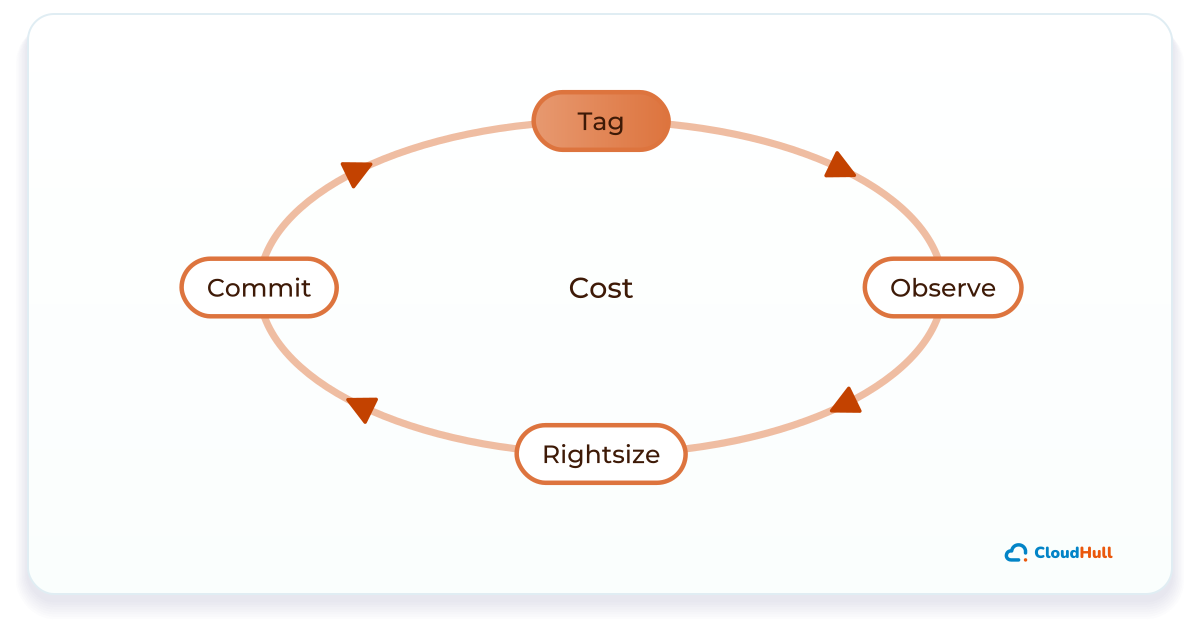
Tag everything from day one, rightsize after 60 to 90 days of real usage data, and buy commitments only for steady workloads. Include the double-running line in the budget so the first quarter does not read as a miss.
A Short Fix Plan
- Enforce owner and cost-center tags by policy.
- Set a budget alert on each account with a named recipient.
- Review utilization after 60 to 90 days and rightsize.
- Buy commitments for the steady portion only.
- Delete unused disks, snapshots and test environments each month.
Support Worth Using
The cost tools built into each provider cover the basics, and a monthly review with finance does the rest.
Security and Compliance Gaps
Workloads move faster than the security model. Shared admin accounts, public storage buckets and missing logs appear in the first audit. Compliance teams then block the next wave, and schedules slip by weeks.
Involve security before the foundation phase and agree the guardrails: identity, encryption, logging and approved regions. Enforce them by policy so each workload meets them without a manual review.
What to Do About It
- Agree the baseline controls with security and compliance.
- Build them into the landing zone as policy.
- Run the policies in audit mode for two weeks, then enforce.
- Check logging and access reviews before each wave goes live.
Useful Starting Points
Provider policy engines and the security services built into each cloud cover most baseline checks.
Skills Gaps in Your Team
Engineers who ran servers for ten years are suddenly asked to run identity, networking and managed services with new tools. Progress slows, and the strongest people leave for roles that match their new skills. Treating training as a weekend project does not work.
Plan training before the first wave, and pair your engineers with an experienced practitioner on the first two or three workloads. Give people time during working hours to study for certifications that matter to the roles.
Steps That Work
- List the skills the target operating model needs.
- Compare them with the skills you have today.
- Schedule training before each wave that needs a new skill.
- Pair every new engineer with an experienced one on the first workloads.
Helpful Options
Provider training portals and certification paths are good and often free. An outside coach shortens the learning curve.
Legacy Systems That Resist Moving
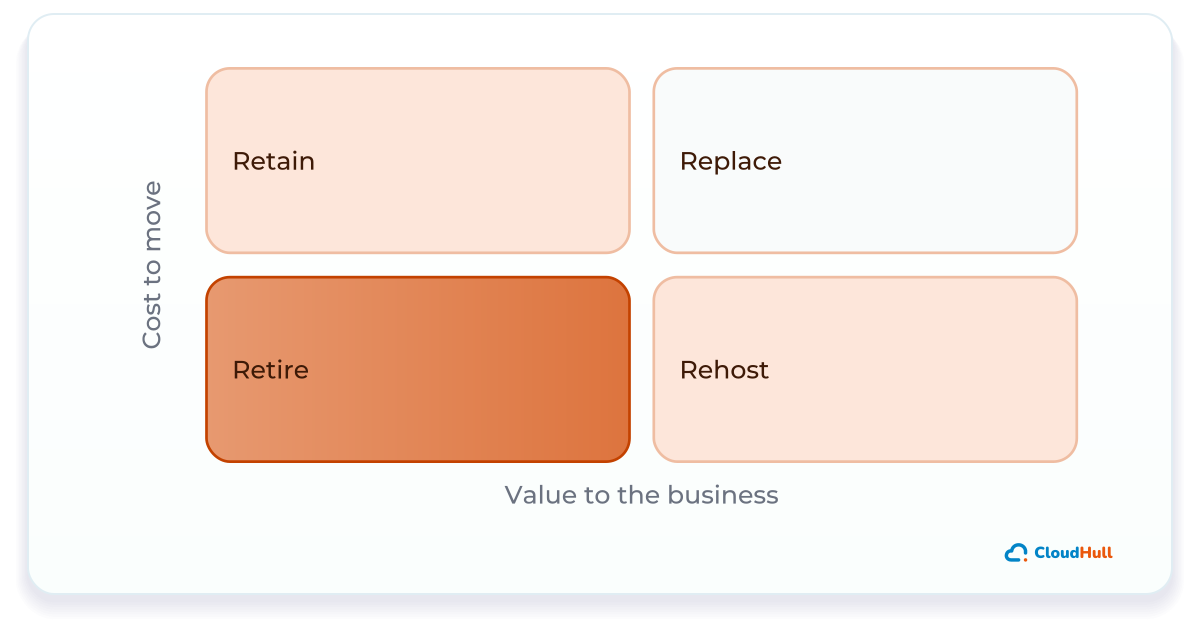
A twelve-year-old application depends on a specific operating system, a license tied to physical servers and a vendor that no longer exists. It is also business-critical. Forcing it into the cloud creates risk for little gain.
Decide its disposition openly: rehost with a plan, replace, or retain for now with a review date. Isolate it with clear network boundaries so it does not block everything else.
How to Handle It
- Document the exact blockers and the cost of each option.
- Choose rehost, replace or retain with the business owner.
- Set a review date for any system that stays.
- Connect it securely to cloud workloads with a defined network path.
Tooling Notes
A virtualization platform from your cloud provider can host many legacy systems as they are.
Resistance From Teams and Owners
Application owners fear outages and extra work, so they delay testing and decline the migration window. People who lose a role in the new operating model resist more quietly. The program slows down without any visible refusal.
Talk to owners early, explain what changes for them and what does not, and show pilot results. Give them a say in the wave date, and make the on-call model clear. Fixed dates with open communication beat surprise mandates.
Where to Begin
- Hold a kickoff for all application owners in the first month.
- Share pilot results and lessons with everyone.
- Let owners choose from two or three cutover windows.
- Name the new roles and explain how people move into them.
Where Tools Fit
A shared channel and a short weekly update do more than a large change-management platform.
Performance and Reliability Surprises
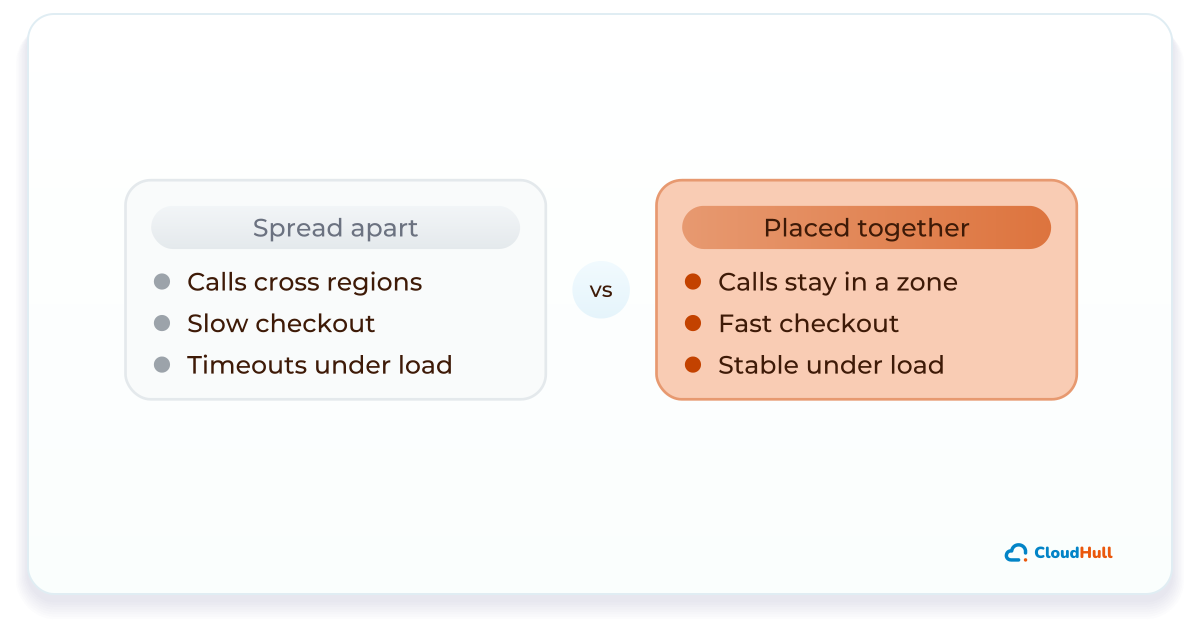
A workload that ran well on dedicated hardware slows down in the cloud because the database sits in a different network zone from the application. Or a single instance fails and nobody designed for it. These problems surface under load, often at the worst time.
Test with production-like load before cutover, place related components close together and design for the failure of a single instance. The architecture reviews in my assessment guide cover what to check.
A Practical Fix
- Run a load test against the migrated copy.
- Place the application and database in the same zone where latency matters.
- Add health checks and automatic restart.
- Define recovery targets and test them once before launch.
Supporting Resources
Provider load-testing and monitoring services, plus an observability platform, cover most needs.
How to Choose Which Challenge to Tackle First
You do not need to solve everything at once. Rank the eight by how likely each is in your company and how expensive it would be, then start with the top two or three. Programs with a regulated data set should rank security and compliance first. Companies with an aging estate should put dependencies and legacy systems first.
- Score each challenge from 1 to 5 for likelihood and for impact.
- Multiply the two scores and sort the list.
- Give each of the top three an owner and a date.
- Revisit the ranking after every wave.
Many of these problems have a standard answer in the best practices, and the dates for dealing with them belong on your roadmap. The Cloud Adoption Framework from Microsoft is also a good source of checklists. If you would like a second opinion on your risks, a short call will surface the top three.
How the Challenges Feed Each Other
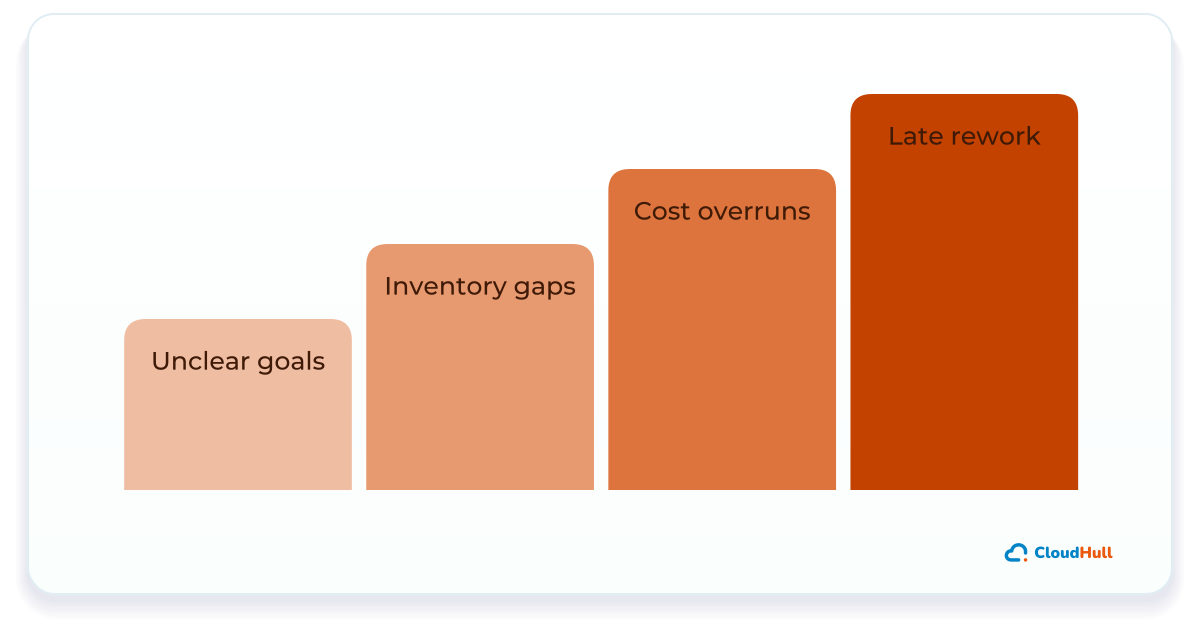
The eight problems rarely arrive alone. Unclear goals lead to weak sponsorship, which leaves skills gaps unfunded and teams unconvinced. Unknown dependencies lead to performance surprises after cutover, and missing tags lead to the cost surprise a quarter later. Fixing the early ones therefore removes more than one problem at once.
The practical result is a priority order. Settle goals and sponsorship in the first month, run the inventory and security baseline in parallel and leave performance tuning and cost optimization for each wave's review. That order matches the way risk grows, and it keeps early effort where the payoff compounds.
Plan a review after every wave to see which of the eight showed up and how it was handled. A short written note per wave becomes the best source of local knowledge you will have.
Questions About Cloud Transformation Challenges
What Is the Biggest Challenge in Cloud Transformation?
Unclear goals combined with weak sponsorship. Without an agreed outcome, every later decision turns into an argument, and budgets disappear at the first reorganization.
Why Do Cloud Costs Go Up After Migration?
Lift-and-shift copies oversized servers, test resources stay on, and the double-running period is missing from the business case. Tagging, rightsizing and budget alerts bring costs down within a few months.
How Do We Handle Legacy Applications?
Document the blockers, then choose rehost, replace or retain with the business owner. Systems that stay get a review date and a secure network path to the cloud.
How Do We Deal with a Cloud Skills Gap?
Train before each wave, pair your engineers with experienced practitioners on the first workloads and give people paid study time. Outside coaching can shorten the curve.
How Can We Avoid Security Gaps During Migration?
Agree baseline controls with security early, build them into the landing zone as policy and test them before each wave goes live.
What If Teams Resist the Move?
Involve application owners at kickoff, share pilot results, let them choose cutover windows and describe their new roles clearly. Quiet resistance is more common than open refusal, so watch for missed test dates.
When Should We Ask for Outside Help?
Common moments are the assessment, the landing zone design and the pilot. An outside team brings patterns from other programs, and your people keep ownership of the result.
Please note: this guide is general information and not legal, financial or tax advice. Numbers and examples are typical-project estimates; confirm current details with your providers and advisers.
Did this article help you?
Thanks, noted.
Garrett Linville
Garrett leads the Cloud Hull editorial team and works with the consultants to turn real client projects into practical guides on cloud migration, DevOps, security and cost control. Each article is edited together with the consultant who did the work, and every price and limit is checked against current provider documentation. He is based in the USA and works remotely.